Have you ever read the stories of the kings in the Bible and wondered why there were so many rulers in Israel? Maybe you noticed the long lists of kings in books like 1 Kings and 2 Kings. Some were faithful to God, while others turned away from Him. Their stories can feel confusing at first, but they carry deep biblical symbolism and powerful spiritual lessons.
Imagine a traveler walking through a land filled with different rulers. One king brings peace and wisdom. Another leads people into fear and sin. Each king leaves a mark on the nation. In the same way, the numbers of kings of Israel meaning in the Bible points to lessons about leadership, obedience, judgment, and God’s mercy.
Many Christians also connect these stories to their own lives. People search for answers about spiritual leadership, personal choices, and God’s guidance. The rise and fall of Israel’s kings reminds believers that earthly power fades, but God’s kingdom lasts forever.
The Bible uses these kings to show both hope and warning. Their stories are not only history. They are also a divine message about faith, repentance, and trust in God. So, what do the numbers and stories of the kings truly mean in Scripture? Let us explore the deeper meaning together.
Biblical Meaning of Numbers of Kings of Israel
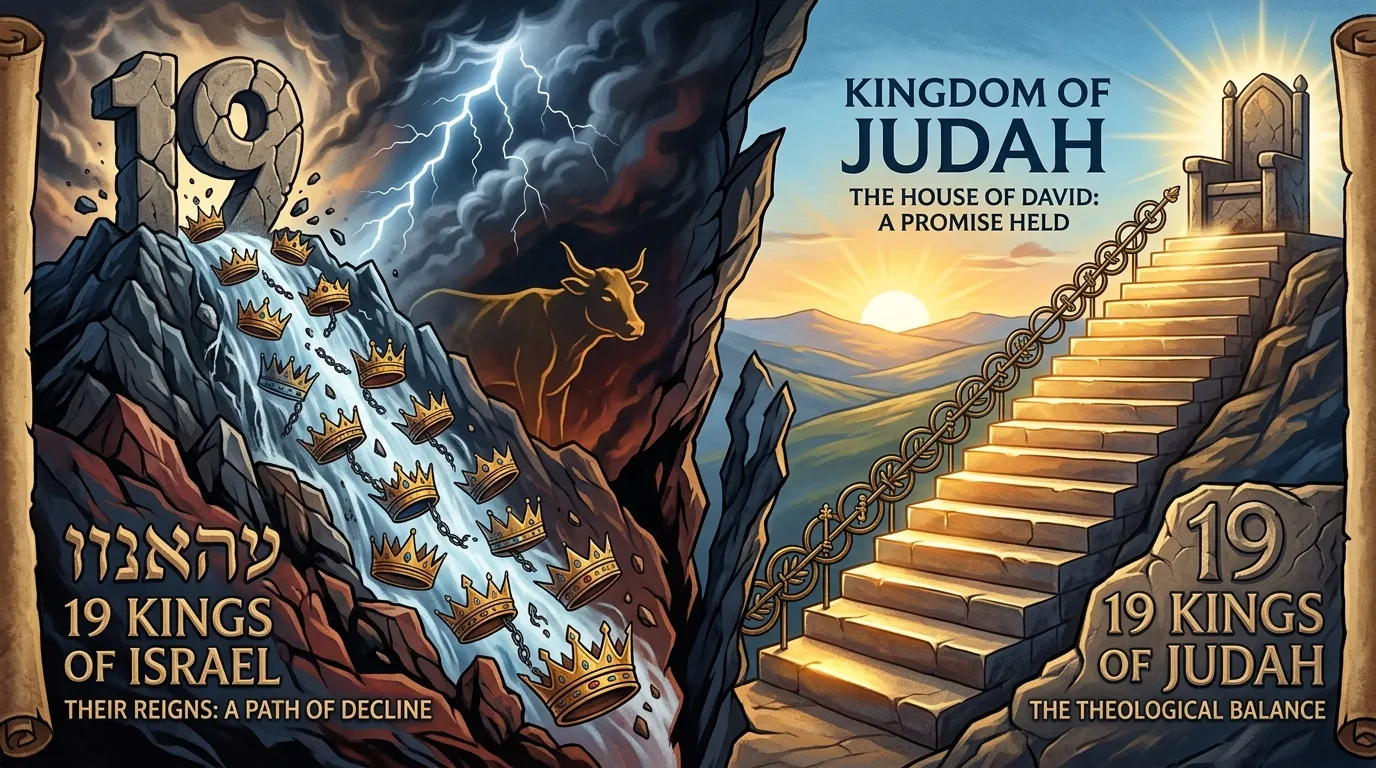
The numbers of kings of Israel meaning in the Bible is closely tied to the spiritual condition of God’s people. After the reign of King Solomon, the kingdom divided into two parts: Israel in the north and Judah in the south. Israel had many kings, but most of them did not follow God faithfully.
The Bible records about 19 kings in the northern kingdom of Israel. Sadly, many of these rulers led the people into idol worship and disobedience. In books like 1 Kings and 2 Kings, God often warns the kings to turn back to Him.
One important verse is:
“They rejected His statutes and His covenant.” — 2 Kings 17:15
This verse explains why Israel eventually faced judgment and exile. The many kings show how human leadership can fail when it moves away from God’s truth.
Yet, there is also hope in these stories. Some kings, especially in Judah, sought God with humble hearts. King Hezekiah trusted God during hard times. King Josiah brought spiritual renewal to the people. Their lives remind believers that one faithful person can inspire many others.
The number of kings also reflects cycles in human life. People may drift away from God, return to Him, and seek restoration again. This pattern appears throughout Scripture. It teaches Christians that God remains patient even when people fail.
The kings also carry spiritual symbolism about authority and the heart. A righteous king represents peace, wisdom, and God’s blessing. A wicked king points to pride, fear, and spiritual darkness.
For example, King David became a symbol of faithful leadership. Though he made mistakes, he repented and sought God. Because of this, God promised that the future Messiah would come through David’s line. Christians believe this promise was fulfilled in Jesus Christ.
The stories of Israel’s kings also show the difference between earthly kingdoms and God’s eternal kingdom. Human rulers change, fail, and pass away. But God’s rule remains forever.
Another important theme is warning. Many kings ignored prophets sent by God. They listened to pride instead of truth. This reminds believers today to stay close to prayer and Scripture.
The Bible says in Proverbs 9:10:
“The fear of the Lord is the beginning of wisdom.”
Without God, leaders become lost. With God, they can lead with justice and mercy.
For Christians, the meaning behind these kings is not only about history. It is also about the condition of the human heart. Every person must choose whether to follow God faithfully or turn toward selfish desires.
Spiritual Significance and Symbolism
The kings of Israel carry deep Christian meaning for personal faith journeys. Their stories remind believers that leadership begins in the heart. A person may appear strong on the outside while being spiritually weak inside.
Many Christians see the kings as symbols of daily spiritual choices. Some days people walk closely with God. Other times they struggle with fear, pride, or temptation. The kings reflect this battle between obedience and rebellion.
The good kings point toward hope, repentance, and renewal. They show that God blesses humble hearts. When people pray, seek wisdom, and trust God, spiritual growth follows.
The wicked kings serve as warnings. They remind believers not to let success or power pull them away from faith. Even strong nations fell when they forgot God.
These stories also connect to spiritual awakening. Many readers feel encouraged to examine their own lives after reading about Israel’s rulers. Questions may rise in the heart:
- Am I following God faithfully?
- Do I trust His guidance?
- Is my heart humble before Him?
In daily life, this may look simple. A parent choosing kindness, a worker acting honestly, or a believer praying during difficult times. Small acts of faith matter deeply to God.
The kings also remind Christians that God can restore broken situations. Even after failure, repentance opens the door to grace.
Biblical Interpretations in Dreams or Real Life
Some people dream about kings, crowns, or ancient kingdoms and wonder about the meaning. In dream interpretation, kings often symbolize authority, responsibility, or spiritual direction.
A peaceful king in a dream may represent God’s guidance, wisdom, or protection. It can point to a season of peace and spiritual growth. A kind ruler may also symbolize the presence of God bringing comfort into someone’s life.
A fearful or angry king may carry a warning meaning. It could reflect pride, spiritual confusion, or the need to return to prayer and faith. Sometimes these dreams encourage believers to trust God instead of human power.
In real life, the stories of Israel’s kings often help Christians during difficult seasons. Someone facing leadership decisions may reflect on the wisdom of David or Solomon. A person struggling with mistakes may find hope in stories of repentance and mercy.
The key message is to seek God first. Dreams and experiences should lead believers toward prayer, peace, and biblical truth.
Practical Lessons & Faith Insights
The kings of Israel teach believers to stay close to God each day. Faith, humility, and prayer protect the heart from spiritual confusion. God cares more about obedience than power or success.
When life feels uncertain, Christians can ask God for wisdom and guidance. The stories of the kings remind believers that God is patient, loving, and ready to restore those who seek Him sincerely.
Conclusion
The numbers of kings of Israel meaning in the Bible reveals more than history. These rulers represent lessons about faith, leadership, obedience, and God’s mercy. Some kings brought peace, while others led people away from God.
Their stories remind Christians that earthly power fades, but God’s kingdom lasts forever. Through every rise and fall, God continued to guide His people with love and truth.
No matter what season of life you are in, God still offers wisdom, hope, and direction today. When you seek Him with a faithful heart, His light will guide your path.