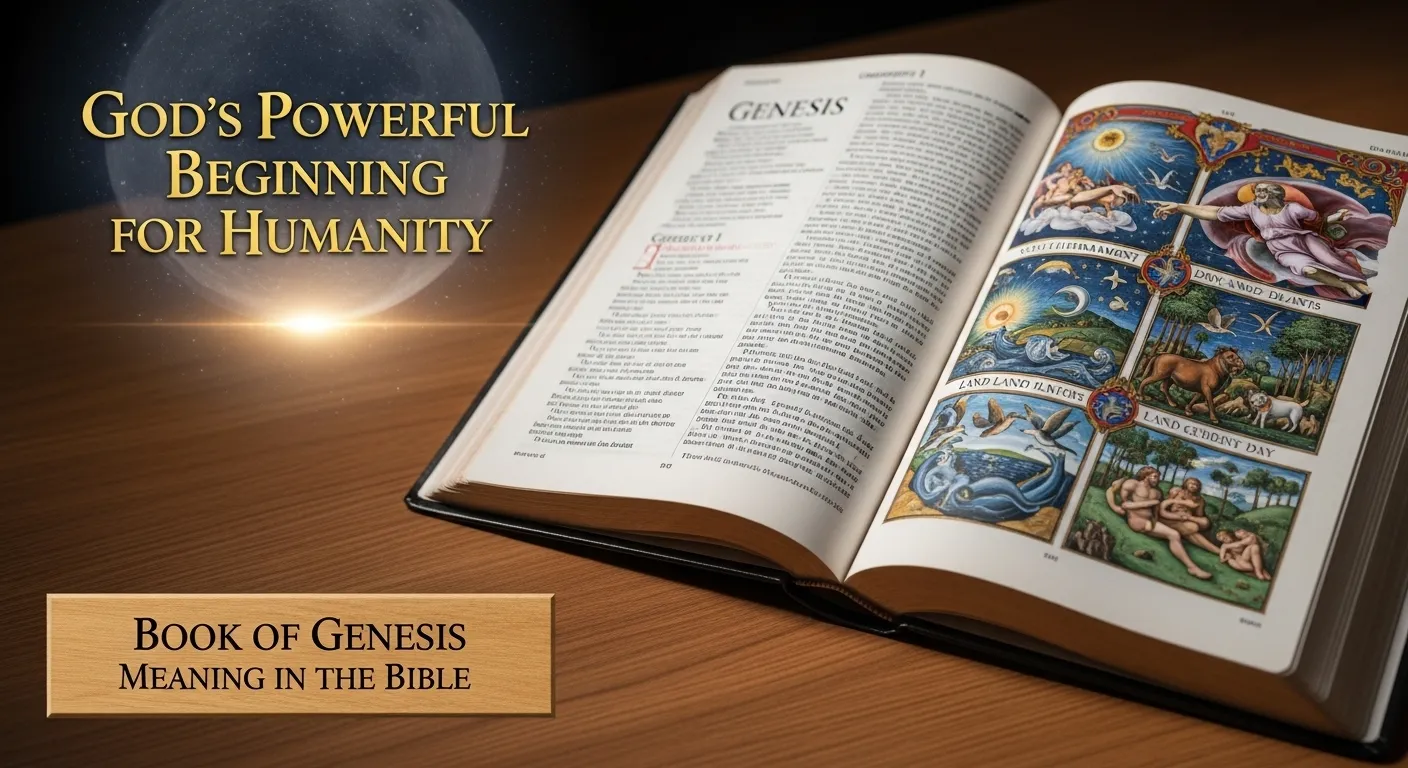
Imagine opening an old family album and seeing the very first picture. That first image tells where the story began. In many ways, the Book of Genesis meaning in the Bible is like that first picture for all humanity. It shows the beginning of the world, the start of life, and the first moments of God’s relationship with people.
Many believers turn to Genesis during times of confusion, change, or spiritual searching. They wonder, “Why did God create us?” or “What message does Genesis hold for my life today?” The answers found in this sacred book bring hope, faith, and spiritual guidance.
The word “Genesis” means beginning. From the creation of the earth to the story of Adam and Eve, Noah’s ark, Abraham’s faith, and Joseph’s journey, every chapter carries a deep spiritual message. It reveals God’s love, His power, and His plan for humanity.
Some people also connect Genesis to dreams and personal reflection. They may dream about creation, gardens, floods, or stars and wonder about the biblical symbolism behind these images. Others read Genesis during hard seasons because they seek comfort and direction from God.
The Book of Genesis is not only history. It is also a living reminder that God is always working, even in broken moments. To fully understand the Christian meaning of Genesis, we must look deeper into its spiritual lessons and biblical truth.
Biblical Meaning of Book of Genesis in the Bible
The Book of Genesis meaning in the Bible centers on creation, faith, sin, redemption, and God’s promises. It is the first book of the Bible and lays the foundation for everything that follows.
God as the Creator
Genesis begins with one of the most famous Bible verses:
“In the beginning God created the heaven and the earth.” — Genesis 1:1
This verse reminds believers that God is the source of all life. The world was not an accident. Humanity was created with purpose and love. This powerful truth gives people hope during uncertain times.
The story of creation also carries strong spiritual symbolism. Light represents truth and God’s presence. Water often symbolizes cleansing and life. The Garden of Eden reflects peace, innocence, and closeness with God.
Humanity’s Relationship With God
Genesis teaches that humans were made to walk with God. Adam and Eve lived in peace before sin entered the world. Their story shows both the beauty of free will and the pain that comes from disobedience.
Genesis 3 explains how temptation led humanity away from God. Yet even after sin, God still showed mercy. This reveals an important divine message: God does not abandon His people.
Many Christians see this as a symbol of personal struggles today. People still face temptation, fear, and failure. But Genesis reminds believers that God’s grace is greater than human weakness.
Noah and the Flood
The story of Noah carries deep dream interpretation and spiritual meaning for many readers. The flood represents judgment, cleansing, and a fresh start.
God protected Noah because of his faith and obedience. The rainbow after the flood became a sign of God’s covenant and promise.
“I do set my bow in the cloud, and it shall be for a token of a covenant.” — Genesis 9:13
This story encourages believers to trust God during storms in life. Even when the world feels dark, God can bring renewal and hope.
Abraham and the Meaning of Faith
Abraham’s story is one of the strongest examples of faith in the Bible. God called Abraham to leave his home and trust His guidance.
Genesis shows that faith often requires patience and courage. Abraham did not always understand God’s plan, yet he continued to believe.
This part of Genesis teaches Christians to follow God even when the path feels uncertain. It reminds believers that God keeps His promises in His perfect timing.
Joseph and God’s Greater Plan
Joseph’s life is another powerful example of transformation. He faced betrayal, slavery, and prison. Yet God used every painful moment for good.
At the end of his journey, Joseph said:
“Ye thought evil against me; but God meant it unto good.” — Genesis 50:20
This verse brings comfort to people facing hardship. Genesis teaches that God can turn suffering into blessing and purpose.
Positive and Warning Meanings
Genesis contains both hope-filled and warning messages.
Positive meanings include:
- God’s love and creation
- Faith and obedience
- New beginnings
- Divine protection
- Hope and restoration
Warning meanings include:
- The danger of pride
- Consequences of sin
- Temptation and disobedience
- Lack of trust in God
Together, these stories create a complete picture of the human journey with God.
Spiritual Significance and Symbolism
The Book of Genesis meaning in the Bible goes far beyond history. It speaks to the heart of every believer today.
One major spiritual lesson is that every ending can become a new beginning with God. Genesis starts with creation, but it also shows many moments of rebuilding after failure or loss.
For example:
- Noah experienced a new beginning after the flood.
- Abraham began a new life through faith.
- Joseph found purpose after suffering.
These stories reflect the Christian journey. Many people face seasons of fear, loneliness, or uncertainty. Genesis reminds them that God is still present and working behind the scenes.
The book also teaches the importance of faith and prayer. Abraham trusted God without seeing the full picture. Joseph remained faithful during suffering. Their lives encourage Christians to stay close to God even during difficult times.
Another important symbol in Genesis is light. God created light before anything else. Spiritually, light often represents truth, hope, and God’s guidance.
Genesis also points toward spiritual awakening. It calls believers to trust God’s wisdom instead of relying only on human understanding.
For many Christians, reading Genesis brings peace because it shows that God has always cared for humanity from the very beginning.
Biblical Interpretations in Dreams or Real Life
Many believers connect Genesis stories to dreams and real-life experiences. Certain symbols from Genesis often carry spiritual meaning.
Dreaming about a garden may symbolize peace, innocence, or a desire to grow closer to God. Water or floods can represent emotional cleansing, spiritual renewal, or major life changes.
Stars, which appear in God’s promise to Abraham, often symbolize hope, blessings, and God’s future plans.
A peaceful dream connected to Genesis may reflect comfort, faith, or divine guidance. On the other hand, fearful dreams involving storms, darkness, or separation may point to spiritual struggles or the need for prayer.
Genesis teaches believers not to live in fear. Instead, Christians are encouraged to seek God through prayer and scripture when trying to understand spiritual experiences.
Real-life moments can also reflect Genesis themes. Starting over after loss, trusting God during uncertainty, or finding hope after hardship all connect deeply to the spiritual symbolism found in Genesis.
Practical Lessons & Faith Insights
The Book of Genesis teaches believers to trust God even when life feels unclear. It reminds Christians that failure is never the end of the story.
Spend time in prayer, read God’s Word daily, and remember that every season has purpose. God guided Noah, Abraham, and Joseph through difficult paths, and He still guides His people today with love and wisdom.
Conclusion
The Book of Genesis meaning in the Bible is deeply connected to creation, faith, hope, and God’s everlasting promises. It reveals how God began His relationship with humanity and continued showing mercy even after human failure.
Genesis reminds believers that God is the author of new beginnings. No matter how broken life may seem, His guidance and love remain constant. Through faith, prayer, and trust in God’s plan, every believer can find hope, healing, and spiritual strength for the journey ahead.