Imagine walking through a long, dark road with no clear direction. You feel tired, lost, and unsure of what comes next. Then, someone arrives with wonderful news—a message that brings hope, peace, and a new beginning. Suddenly, the darkness does not seem so overwhelming anymore.
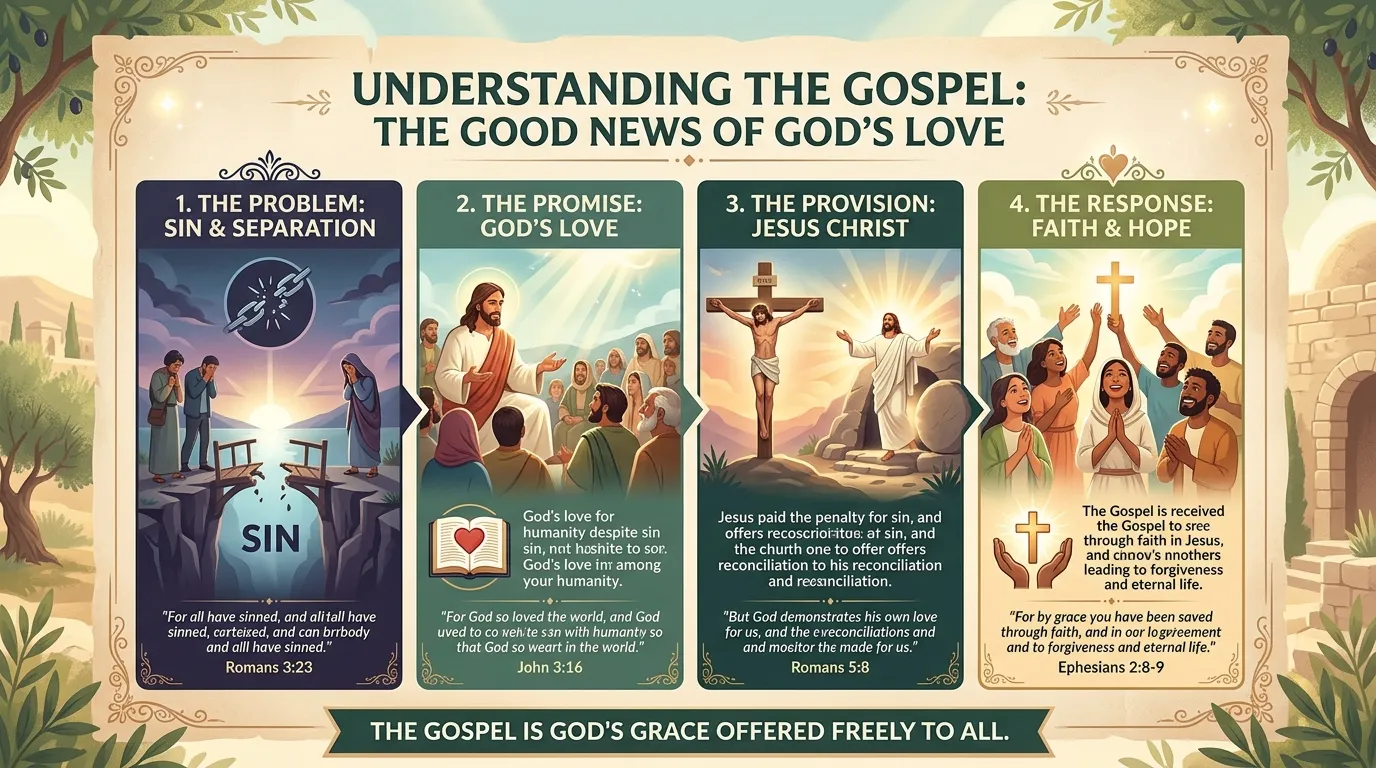
This picture helps us understand the gospel meaning in Bible teachings. The word “gospel” is one of the most important words in Christianity. It appears throughout the New Testament and carries a powerful message from God to humanity.
Many people hear the word gospel in church, Bible studies, or Christian conversations. Others may dream about preaching, reading the Bible, or hearing a message that feels important. These experiences often lead people to wonder, “What does the gospel mean in the Bible?”
The gospel is more than a religious term. It is a message of hope, forgiveness, and salvation. It tells the story of God’s love for His people and His plan to bring them back to Him through Jesus Christ.
Whether you are studying Scripture, seeking a deeper understanding of your faith, or looking for spiritual guidance, understanding the gospel can bring comfort and clarity to your journey.
Let’s explore the biblical meaning of the gospel and discover the spiritual message it holds for every believer.
Biblical Meaning of Gospel in the Bible
The gospel meaning in Bible teaching begins with the simple definition of the word itself. The word “gospel” means “good news.” It comes from the Greek word euangelion, which refers to joyful news that brings hope and celebration.
In the Bible, the gospel is the good news that God sent His Son, Jesus Christ, to save humanity from sin and restore a relationship with Him.
One of the clearest summaries of the gospel appears in:
John 3:16
“For God so loved the world that he gave his one and only Son, that whoever believes in him shall not perish but have eternal life.”
This verse reveals the heart of the gospel. God’s love led Him to provide a way for people to receive forgiveness and eternal life through Jesus.
The Gospel as God’s Plan of Salvation
From the beginning of Scripture, God showed His desire to rescue His people. The gospel is the fulfillment of that promise.
Jesus came into the world to:
- Teach God’s truth
- Demonstrate God’s love
- Die for the sins of humanity
- Rise from the dead
- Offer eternal life to believers
The Apostle Paul explained this clearly in:
1 Corinthians 15:3-4
“Christ died for our sins according to the Scriptures, that he was buried, that he was raised on the third day according to the Scriptures.”
This message forms the foundation of Christian belief.
Gospel as a Message of Hope
The gospel reminds believers that no one is beyond God’s grace. Even when people feel broken, lost, or discouraged, God offers forgiveness and a fresh start.
The gospel brings:
- Hope during difficult times
- Peace during uncertainty
- Strength during struggles
- Confidence in God’s promises
This is why Christians often call the gospel the greatest news ever shared.
Gospel as a Call to Faith
The Bible teaches that the gospel invites people to trust in Jesus.
Romans 1:16
“For I am not ashamed of the gospel, because it is the power of God that brings salvation to everyone who believes.”
The gospel is not only information. It is an invitation to respond with faith and surrender to God.
Warning Meanings Connected to the Gospel
While the gospel is primarily a message of love and salvation, the Bible also presents a warning. God’s invitation should not be ignored.
Jesus often called people to repentance and faith. Rejecting God’s offer of grace can lead people away from His blessings and purpose.
Yet even this warning reflects God’s love. He desires people to turn toward Him and experience the fullness of His mercy.
The overall biblical symbolism of the gospel points to redemption, restoration, and God’s faithful pursuit of His children.
Spiritual Significance and Symbolism
The gospel carries deep spiritual symbolism that reaches beyond words.
At its core, the gospel symbolizes new life. Just as Jesus rose from the grave, believers are invited into spiritual renewal and transformation.
The gospel also symbolizes:
God’s Unfailing Love
No matter how far someone has wandered, God’s love remains available through Christ. The gospel reminds believers that they are never forgotten.
Light in Darkness
Throughout Scripture, light often represents truth and God’s presence.
The gospel shines into places of fear, confusion, and doubt. It brings clarity when life feels uncertain.
Spiritual Awakening
Many people experience a deeper awareness of God’s presence when they understand the gospel. This awakening often leads to prayer, worship, and a stronger faith journey.
For example, someone facing hardship may find comfort through Bible reading and discover fresh hope in God’s promises. The gospel becomes a source of strength and encouragement.
Transformation and Growth
The gospel is not only about receiving salvation. It also inspires believers to grow spiritually.
As people follow Christ, they learn:
- Forgiveness
- Compassion
- Humility
- Trust in God
This ongoing transformation reflects the power of God’s work within the heart.
The gospel’s Christian meaning centers on becoming more aligned with God’s purpose and living in faith each day.
Biblical Interpretations in Dreams or Real Life
Sometimes people encounter gospel-related themes in dreams or daily experiences. These moments can carry meaningful spiritual messages.
If someone dreams about hearing the gospel, reading Scripture, or listening to a sermon, it may symbolize a desire for guidance, truth, or a deeper connection with God.
Peaceful Gospel Experiences
Dreams that feel calm, joyful, or inspiring often reflect:
- Spiritual growth
- Renewed faith
- God’s encouragement
- Greater understanding of His purpose
These experiences may remind believers to continue trusting God’s plan.
Fearful or Urgent Gospel Experiences
If a dream feels urgent or emotional, it may point toward a need for reflection, prayer, or spiritual renewal.
Such dreams do not necessarily predict events. Instead, they may encourage a person to seek God’s wisdom and strengthen their relationship with Him.
In real life, hearing a sermon, reading a Bible verse, or receiving unexpected encouragement can also feel like a divine message directing someone closer to God.
Prayer and Scripture remain the best ways to understand these experiences through a biblical lens.
Practical Lessons & Faith Insights
The gospel teaches simple but powerful lessons:
- Trust God’s love even during hard seasons.
- Seek Jesus daily through prayer and Scripture.
- Remember that forgiveness is available through Christ.
- Share hope and kindness with others.
- Walk by faith, knowing God is always at work.
The gospel reminds believers that God’s grace is greater than any challenge they face.
Conclusion
The gospel meaning in Bible teaching is the beautiful story of God’s love, salvation, and redemption through Jesus Christ. It is the good news that brings hope to the weary, peace to the troubled, and purpose to the searching heart.
Whether encountered through Scripture, personal reflection, or spiritual experiences, the gospel points people toward God’s grace and eternal promises. Its message continues to transform lives and strengthen faith.
As you walk your spiritual journey, may the gospel remind you that God loves you deeply, guides you faithfully, and offers hope that never fades. Trust His message, seek His presence, and rest in His everlasting love.