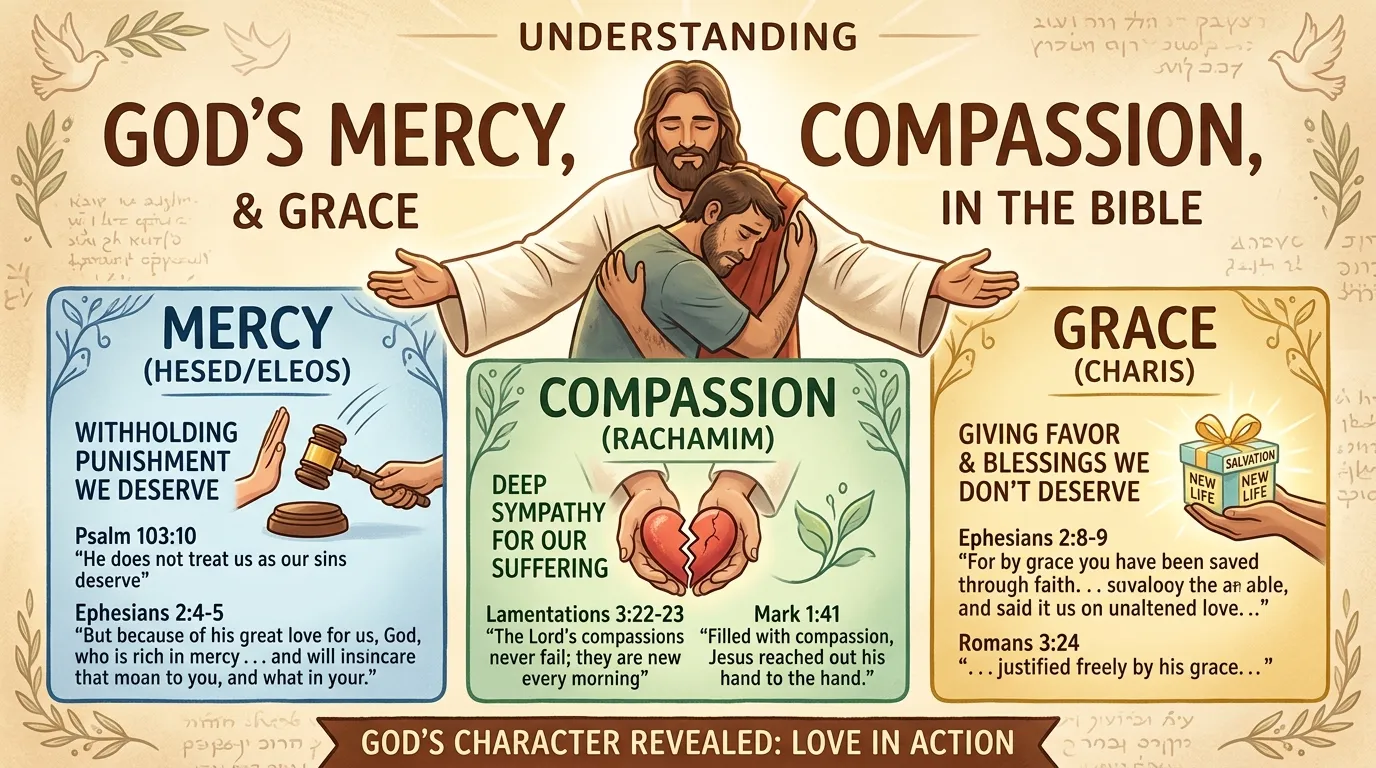
Imagine a child who makes a mistake and expects punishment. With tears in their eyes, they wait for the consequences. Instead, a loving parent embraces them, forgives them, and helps them learn from their error. That moment is a beautiful picture of mercy.
Many people search for the mercy meaning Bible because they want to understand God’s heart. They may have heard the word in church, read it in Scripture, or felt a deep need for God’s forgiveness and kindness during a difficult season of life.
Mercy is one of the most powerful themes in the Bible. It appears again and again as God reaches out to people with love, patience, and compassion. Whether someone feels lost, broken, or uncertain, the message of mercy brings hope.
In dreams, prayers, or daily experiences, people often sense a desire for mercy. They may wonder if God is speaking to them or offering a fresh start. The Bible provides clear answers and shows that mercy is not just an idea—it is part of God’s character.
So, what does mercy really mean in the Bible, and what spiritual message does it hold for believers today? Let’s explore its deeper meaning and discover the hope it brings.
Biblical Meaning of Mercy
The mercy meaning Bible can be understood as God’s compassionate kindness toward people who need His help, forgiveness, and love. Mercy is when God chooses compassion instead of the punishment we deserve.
Throughout Scripture, mercy reveals the heart of God.
Mercy Reflects God’s Character
One of the clearest descriptions of God’s nature appears in Exodus 34:6:
“The Lord, the Lord God, merciful and gracious, longsuffering, and abundant in goodness and truth.”
This verse shows that mercy is not something God occasionally does. It is part of who He is.
God continually shows mercy to His people, even when they fail. He patiently guides them back to Him and offers restoration.
Mercy and Forgiveness
Mercy is closely connected to forgiveness.
Psalm 103:8 says:
“The Lord is merciful and gracious, slow to anger, and plenteous in mercy.”
This beautiful verse reminds believers that God’s love is greater than their mistakes. Through His mercy, He forgives sins and offers a new beginning.
For Christians, the greatest example of mercy is found in Jesus Christ. Through His death and resurrection, God made a way for people to receive forgiveness and eternal life.
Mercy Brings Hope
Life can be difficult. People often face guilt, fear, disappointment, or failure. During these moments, God’s mercy becomes a source of comfort.
Lamentations 3:22-23 declares:
“It is of the Lord’s mercies that we are not consumed, because his compassions fail not. They are new every morning.”
This passage teaches that God’s mercy never runs out. Every day brings a fresh opportunity to experience His love and grace.
Mercy Calls Believers to Show Compassion
The Bible does not only teach believers to receive mercy. It also encourages them to extend mercy to others.
Jesus said in Matthew 5:7:
“Blessed are the merciful: for they shall obtain mercy.”
This verse highlights an important spiritual principle. Those who understand God’s mercy are often moved to show kindness, patience, and forgiveness to others.
A Warning Within the Message of Mercy
While mercy is a wonderful gift, Scripture also reminds believers not to take it for granted.
God’s mercy invites repentance and transformation. It is meant to draw people closer to Him rather than encourage continued wrongdoing.
Romans 2:4 teaches that God’s kindness leads people toward repentance. His mercy is an invitation to grow in faith and obedience.
Ultimately, the biblical symbolism of mercy points to God’s desire to restore, heal, and guide His children. It reveals a loving Father who welcomes people with open arms.
Spiritual Significance and Symbolism
The spiritual symbolism of mercy goes beyond forgiveness. It represents hope, healing, restoration, and spiritual awakening.
When believers experience mercy, they often realize how deeply God cares for them. This realization can transform their relationship with Him.
Imagine someone carrying guilt for years. They pray and finally understand that God has forgiven them. That moment can feel like a heavy burden being lifted away. Mercy brings freedom.
Mercy also symbolizes God’s ongoing presence. Even when life feels uncertain, His compassion remains steady.
In daily life, mercy may appear through:
- A second chance after failure
- Peace after a season of worry
- Unexpected help during hardship
- Strength to forgive others
- Renewed faith during difficult times
These experiences remind believers that God is actively working in their lives.
From a Christian meaning perspective, mercy encourages humility. It helps believers remember that they depend on God’s grace every day.
This spiritual message often leads to deeper prayer, greater trust, and stronger faith. Mercy becomes a reminder that God’s love is greater than any struggle.
Biblical Interpretations in Dreams or Real Life
In dream interpretation, mercy often carries a comforting spiritual message.
Dreams involving forgiveness, rescue, protection, healing, or reconciliation may symbolize God’s mercy at work. Such dreams can encourage believers to trust Him during challenging seasons.
A peaceful dream filled with light, comfort, or restoration may suggest reassurance from God. It can symbolize His compassion and care.
On the other hand, a dream involving mistakes, regret, or seeking help may point toward a need for repentance and spiritual renewal. Rather than bringing fear, these dreams often serve as invitations to return to God.
In real life, mercy may be experienced through unexpected blessings, answered prayers, restored relationships, or moments of divine guidance.
Whether in dreams or daily experiences, believers are encouraged to pray for wisdom and seek God’s direction through Scripture. The Bible remains the most reliable source for understanding spiritual messages.
Mercy consistently points toward God’s love, forgiveness, and desire to draw people closer to Him.
Practical Lessons & Faith Insights
Here are a few faith-based lessons from the biblical meaning of mercy:
- Trust God’s compassion, even when you feel unworthy.
- Pray regularly and seek His guidance.
- Accept forgiveness and let go of past guilt.
- Show mercy to others just as God shows mercy to you.
- Remember that every day is a new opportunity to walk with Him.
God’s mercy is a gift that brings peace, hope, and spiritual growth.
Conclusion
The mercy meaning Bible reveals a powerful truth: God is compassionate, forgiving, and full of love. His mercy offers hope to the weary, healing to the broken, and guidance to those seeking Him.
Throughout Scripture, mercy reflects God’s heart and His desire to restore His people. Whether experienced in dreams, prayer, or daily life, it serves as a reminder of His unfailing kindness.
When you encounter the message of mercy, let it draw you closer to God. Trust His love, embrace His forgiveness, and walk forward in faith, knowing that His mercies are new every morning.