Imagine waking up to a world that feels full of change. You may wonder what God is doing, where history is going, and what the future holds. The Bible speaks about a special time called the Day of the Lord. This phrase can sound frightening, but its meaning is deeper than fear.
So, what is the Day of the Lord meaning in the Bible?
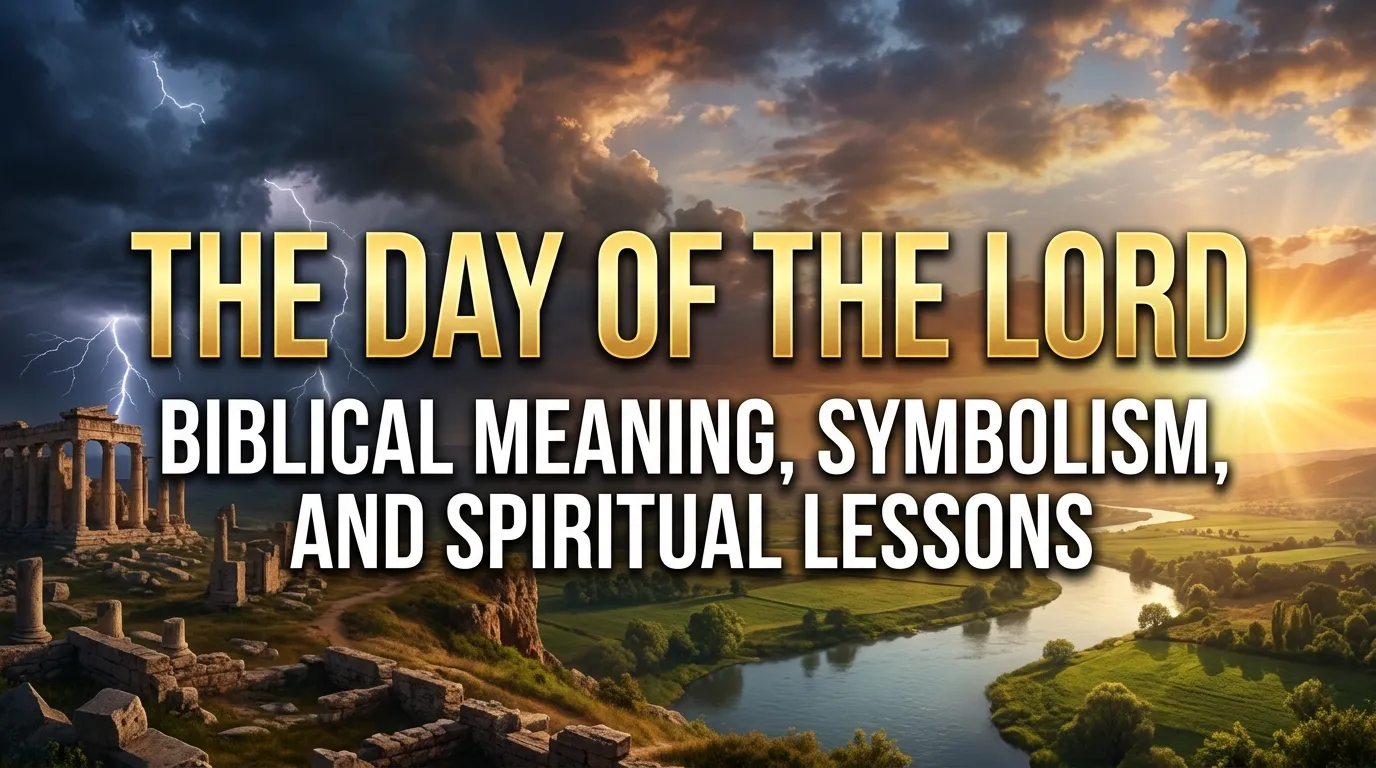
The Day of the Lord is a biblical phrase that points to a time when God acts in a special and powerful way. It often speaks of judgment, but it also carries a message of hope, justice, salvation, and restoration for those who trust God.
The prophets used this phrase when warning people to turn back to God. The New Testament also uses it when teaching about the return of Christ and God’s final judgment.
The Day of the Lord reminds Christians that God is not distant from human history. He sees evil, cares about justice, and promises to bring His purposes to completion.
Understanding this biblical idea can help us live with faith instead of fear, knowing that God remains sovereign even when the future seems uncertain.
Biblical Meaning of the Day of the Lord
The Day of the Lord in the Bible refers to a time when God reveals His power and brings judgment, justice, or salvation. It is not always talking about one simple 24-hour day. In many passages, it describes a divine intervention or period of God’s action.
The phrase appears often in the Old Testament prophets.
For example, Joel 2:1 says:
“Blow a trumpet in Zion; sound an alarm on my holy mountain! Let all the inhabitants of the land tremble, for the day of the LORD is coming; it is near.”
Here, the Day of the Lord is connected with warning and judgment. The people are called to wake up and return to God.
Isaiah 13:9 also describes the Day of the Lord as a time of judgment:
“Behold, the day of the LORD comes, cruel, with wrath and fierce anger.”
These passages show the serious side of the Day of the Lord. Sin has consequences, and God is just.
But judgment is not the whole message.
Joel 2 later gives a beautiful promise of restoration. God calls His people to return to Him with their hearts. Joel 2:12 says:
“Yet even now,” declares the LORD, “return to me with all your heart.”
This shows an important truth. The warning of God’s judgment can also be a call to repentance and hope.
The Day of the Lord is also connected with God’s final victory. In the New Testament, the apostle Paul writes that “the day of the Lord” will come unexpectedly, like a thief in the night (1 Thessalonians 5:2).
Peter also speaks about the coming day of the Lord in 2 Peter 3:10. He connects it with God’s judgment and the hope of a renewed creation.
Therefore, the biblical meaning includes both warning and promise.
For those who reject God, it is a warning of judgment. For those who belong to Christ, it points toward God’s final victory and the fulfillment of His promises.
What Does the Day of the Lord Symbolize?
The Day of the Lord can symbolize several major biblical truths:
- God’s justice — evil will not have the final word.
- Judgment — God will hold people accountable.
- Repentance — people are called to turn back to Him.
- Salvation — God protects and saves those who trust Him.
- Christ’s return — the New Testament connects the day with future events.
- Hope — God’s purposes will ultimately be fulfilled.
- Restoration — Scripture points toward a renewed creation.
The message is not simply, “Be afraid.”
It is also, “Be ready, remain faithful, and trust God.”
Day of the Lord Hebrew Meaning
The Day of the Lord Hebrew meaning comes from the Old Testament expression יוֹם יְהוָה (Yom YHWH), commonly rendered “Day of the LORD.”
The Hebrew word יוֹם (yom) means day. Depending on context, yom can refer to an ordinary day, a period of time, or a particular time marked by an important event.
YHWH (יהוה) is the divine name of God revealed in the Hebrew Bible. English Bibles commonly represent it as LORD, often in capital letters.
So, Yom YHWH literally means “Day of the LORD.”
The expression is especially important in the prophetic books.
The prophet Amos warned Israel not to assume that the Day of the Lord would automatically be good for them. Amos 5:18 says:
“Woe to you who desire the day of the LORD!”
Why? Because God’s people had become deeply involved in injustice and wrongdoing. Amos taught that religious activity cannot replace a life of righteousness.
This gives us an important lesson about the Day of the Lord Hebrew meaning. It is not simply a date on God’s calendar. It describes a time when the LORD acts in judgment and justice.
The Hebrew prophets used this language for events involving nations and Israel, while later biblical teaching also points toward God’s ultimate future judgment.
This is why context matters. Every reference should be read within its passage rather than treated as a prediction about one single event.
Spiritual Meaning and Symbolism of the Day of the Lord
The spiritual meaning of the Day of the Lord centers on God’s holiness, justice, power, and faithfulness.
One major lesson is spiritual awakening.
The prophets often warned people before judgment came. Their message was a call to wake up and examine their hearts.
This can still speak to Christians today.
Maybe you have become distracted. Maybe prayer has become weak. Maybe fear has taken the place of trust. The biblical message encourages you to turn your heart back toward God.
Another lesson is God’s presence.
The Day of the Lord reminds us that God sees what people cannot see. Injustice may appear to win for a while, but Scripture teaches that God will ultimately judge with righteousness.
It also gives hope.
The world can feel broken. People experience loss, injustice, war, pain, and uncertainty. Yet the Bible teaches that evil does not have the final victory.
For Christians, this points toward the hope found in Jesus Christ.
The Day of the Lord also teaches readiness. Jesus repeatedly encouraged His followers to remain watchful and faithful rather than trying to predict exact dates.
Spiritual readiness is not panic.
It is living each day with faith, love, obedience, prayer, and hope.
Bible Verses About the Day of the Lord
Several important passages help explain the biblical meaning of this phrase.
Joel 2:31
“The sun shall be turned to darkness, and the moon to blood, before the great and awesome day of the LORD comes.”
This passage uses powerful signs to describe the seriousness of God’s coming intervention. Acts 2:20 later quotes this verse in the context of God’s work through the Holy Spirit.
Amos 5:18
“Woe to you who desire the day of the LORD!”
Amos reminds us that people should not assume they are ready for God’s judgment simply because they identify with God’s people.
Zephaniah 1:14
“The great day of the LORD is near, near and hastening fast.”
Zephaniah presents the Day of the Lord as a serious time of judgment.
1 Thessalonians 5:2
Paul writes:
“For you yourselves are fully aware that the day of the Lord will come like a thief in the night.”
The point is that God’s timing will not be controlled by human predictions.
2 Peter 3:10
Peter says:
“But the day of the Lord will come like a thief.”
He then points believers toward the hope of God’s future work and calls them to holy living.
Together, these verses show that the Day of the Lord involves judgment, accountability, readiness, hope, and God’s ultimate purpose.
Day of the Lord in Dreams or Real Life
Some people search for the Day of the Lord meaning in a dream after dreaming about darkness, fire, trumpets, the sky changing, judgment, Jesus returning, or a great spiritual event.
The Bible does contain examples of God communicating through dreams, but not every dream is a divine message.
A dream about the Day of the Lord may reflect your thoughts about faith, the future, fear, change, judgment, or spiritual growth. It can also come from things you recently watched, read, heard, or experienced.
From a Christian perspective, the safest approach is to test the interpretation against Scripture.
If a dream makes you afraid, do not immediately assume that God is predicting disaster. Pray, read Scripture, and consider what the dream may reveal about your heart.
If it leads you toward repentance, deeper faith, prayer, or trust in God, those themes can be reflected on in light of biblical teaching.
The Bible should remain the foundation rather than a dream alone.
What Does the Day of the Lord Mean for Christians?
For Christians, the Day of the Lord is a reminder that Jesus will ultimately triumph.
It calls believers to live faithfully instead of becoming obsessed with predicting the future.
Paul’s teaching in 1 Thessalonians 5 moves from the unexpected arrival of the Day of the Lord to an encouragement for believers to live as people of light.
This is important.
The biblical response to the Day of the Lord is not constant fear. It is faithful living.
Christians can pray, love others, obey God’s Word, serve people, and keep their hope in Christ.
The future belongs to God.
Practical Faith Lessons From the Day of the Lord
The Day of the Lord gives us simple lessons for daily life:
- Stay close to God through prayer and Scripture.
- Repent quickly when you recognize sin.
- Do not live in fear of the future.
- Trust God’s justice when life feels unfair.
- Stay spiritually awake and faithful.
- Place your hope in Jesus, not in human predictions.
- Use today well, because we do not control tomorrow.
The message is simple: be ready, remain faithful, and trust God.
Frequently Asked Questions
Is the Day of the Lord the same as the Second Coming?
The terms are closely related in New Testament teaching, but they are not always used as exact synonyms in every passage. The Day of the Lord is a broader biblical expression for God’s decisive intervention, judgment, and ultimate purposes. New Testament passages connect it with future events and Christ’s return.
Is the Day of the Lord a good thing or a bad thing?
It can be understood as terrible judgment for evil and hope for those who trust God. The prophets present both sides. It is a warning to sinners and a promise that God will ultimately establish justice.
Does the Bible tell us when the Day of the Lord will happen?
No exact date is given. Jesus warns against trying to predict the timing of future events. First Thessalonians 5:2 emphasizes that the day will come unexpectedly.
What is the spiritual meaning of the Day of the Lord?
Its spiritual meaning includes awakening, repentance, readiness, judgment, hope, and God’s final victory. It encourages believers to take their relationship with God seriously while trusting His promises.
Should Christians be afraid of the Day of the Lord?
The biblical teaching should lead Christians to reverence and readiness, not hopeless fear. Believers are encouraged to remain faithful and place their confidence in Christ.
What does the Day of the Lord teach us about God?
It teaches that God is holy, just, powerful, patient, and faithful. He sees evil and promises that His justice will ultimately prevail.
Conclusion
The Day of the Lord meaning in the Bible is both serious and hopeful. It points to God’s judgment, justice, salvation, and final victory. The prophets used it to call people to repentance, while the New Testament connects it with God’s future purposes and the return of Christ.
For believers, its message is not simply fear. It is a call to faith, readiness, prayer, holy living, and hope.
Whatever tomorrow brings, God remains in control. Stay close to Scripture, seek Him in prayer, and trust His timing. The God who promises justice also promises hope to those who place their faith in Him.