Imagine standing in a quiet garden late at night. The day has been long, your heart is heavy, and you know that something painful is coming. You want to pray, but you also feel afraid. You ask God for help, yet you are not sure how the situation will end.
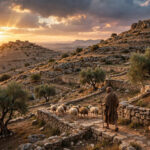
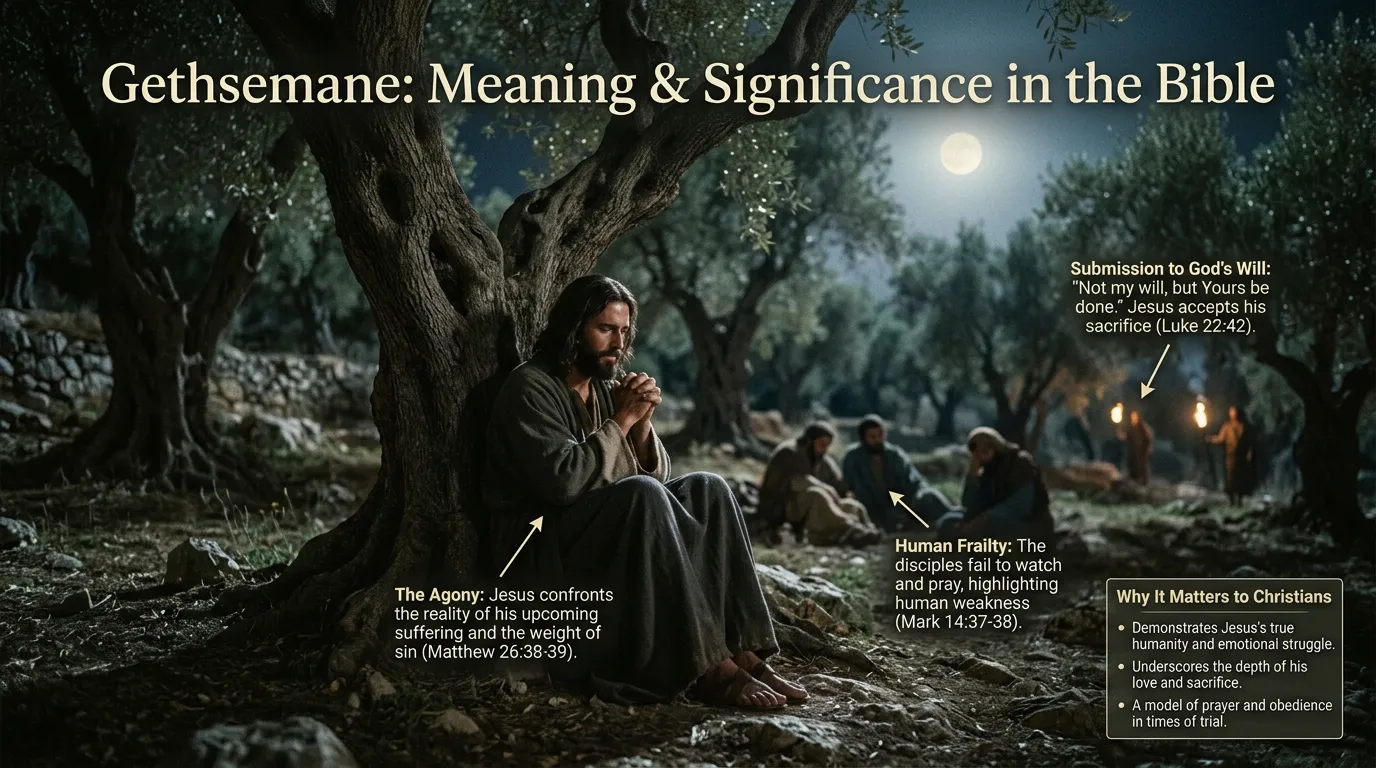
This picture helps us understand the Garden of Gethsemane meaning in the Bible. Gethsemane was the place where Jesus went with His disciples on the night before His crucifixion. There, Jesus prayed deeply, faced sorrow, and willingly submitted Himself to the Father’s will.
The story appears especially in Matthew 26:36–46, Mark 14:32–42, and Luke 22:39–46. John also describes Jesus and His disciples going to a garden, although he does not use the name Gethsemane in the same way as the other Gospel accounts (John 18:1).
Gethsemane shows us something very important: faith does not mean that we never feel afraid or sad. Faith means trusting God even when the road ahead is painful.
The garden also points toward Jesus’ obedience, His love for humanity, His willingness to suffer, and His complete trust in God.
Garden of Gethsemane Meaning in the Bible

The Garden of Gethsemane was a place where Jesus prayed before His arrest and crucifixion. Its deepest biblical meaning is connected to prayer, obedience, surrender, suffering, and trust in God.
In Matthew 26:36, Jesus tells His disciples to sit while He goes farther into the garden to pray. He then tells Peter, James, and John that His soul is deeply troubled.
Jesus says in Matthew 26:38 that His soul is “very sorrowful, even to death.” This shows the great emotional and spiritual weight of what He was facing.
Jesus then prays to the Father. He asks whether the cup can pass from Him, but He ends with a powerful statement of surrender: “Not as I will, but as you will” (Matthew 26:39).
This is one of the clearest lessons from Gethsemane.
Jesus honestly expressed His pain while still trusting the Father’s will.
The garden was not a place where Jesus escaped His calling. It was the place where His obedience became especially clear.
Garden of Gethsemane Hebrew Meaning

The name Gethsemane comes to us through the Greek form Gethsēmani (Γεθσημανή). The name is commonly understood as coming from a Semitic expression meaning “oil press” or “press of oils.”
The word is often connected with the Hebrew/Aramaic elements gat, meaning a press, and shemen, meaning oil. So, the commonly given meaning of Gethsemane is “oil press.”
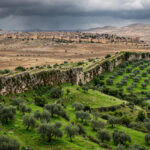
This fits the setting because the area near Jerusalem was associated with olive trees and olive oil production.
However, Christians should be careful not to turn the name into a hidden prophecy that Scripture never states. The Bible does not explicitly say, “Gethsemane means suffering because olives are pressed.” That is a common spiritual reflection, not a direct biblical teaching.
Still, the image of an oil press can provide a meaningful picture for Christian reflection.
An olive is pressed to produce oil. In Gethsemane, Jesus experienced tremendous anguish before going to the cross.
The comparison can remind believers that times of pressure can become moments of deep dependence on God. But this should be understood as spiritual application rather than a secret code hidden in the place name.
What Happened in the Garden of Gethsemane?
The events of Gethsemane are recorded in several Gospel accounts.
Jesus Went to Pray
After the Last Supper, Jesus went with His disciples to a place called Gethsemane (Matthew 26:36).
Jesus knew that His arrest was near. He also knew the suffering that would follow.
Instead of running away, Jesus went to pray.
This teaches Christians an important lesson: prayer should be our response when we face things we cannot control.
Jesus Experienced Deep Sorrow
Matthew 26:37–38 describes Jesus as deeply sorrowful and troubled.
Mark 14:33–34 gives a similar picture. Luke 22:44 says that Jesus was in such anguish that His sweat became like drops of blood falling to the ground.
The Gospel writers do not present Jesus as emotionless. He experienced real sorrow.
This can be deeply comforting for Christians who struggle with fear, grief, or emotional pain.
Jesus understands human sorrow.
Jesus Prayed Three Times
Jesus prayed about the “cup” before Him.
In the Bible, the image of a cup can represent what a person is given to experience, including God’s judgment in certain passages. In Gethsemane, Jesus was facing the suffering connected with His coming death and His mission of redemption.
Matthew 26:39 records His prayer to the Father. He asks for the cup to pass from Him, if possible, while submitting to God’s will.
He repeats the prayer in Matthew 26:42 and again in Matthew 26:44.
His repeated prayer shows that bringing the same burden to God is not a failure of faith.
Sometimes faithful prayer means returning to God again and again.
Jesus Chose Obedience
The most powerful part of Gethsemane is not simply that Jesus was afraid.
It is that He remained obedient while facing His greatest suffering.
Philippians 2:8 later describes Christ as becoming obedient to the point of death, even death on a cross.
Gethsemane points toward that obedience.
Jesus did not pretend that suffering was easy. He brought His honest desire before the Father and then submitted Himself to the Father’s will.
What Does Gethsemane Teach Christians About Prayer?

Gethsemane gives a beautiful picture of honest Christian prayer.
Jesus did not hide His feelings from the Father. He expressed His sorrow openly.
This means Christians do not need perfect words when they pray.
You can tell God:
- “I am afraid.”
- “I do not understand.”
- “Please help me.”
- “I want this situation to change.”
- “Give me strength to follow You.”
- “Help me trust Your will.”
Gethsemane shows that honest prayer and surrender can exist together.
You can ask God for what you desire while still trusting Him with the outcome.
That is a powerful form of faith.
Spiritual Symbolism of the Garden of Gethsemane
Christians often see several spiritual lessons in Gethsemane. These applications should be distinguished from what Scripture directly states.
Gethsemane Can Represent Surrender
The clearest spiritual lesson is surrender.
Jesus prayed, “Not as I will, but as you will” (Matthew 26:39).
For Christians, surrender does not mean giving up hope. It means placing our lives, plans, fears, and desires into God’s hands.
For example, someone may pray for a certain job. They can ask God to open the door while also saying, “Lord, if this is not right for me, guide me somewhere better.”
That is the heart of surrender.
Gethsemane Can Represent Times of Testing
Life sometimes brings seasons that feel like a personal Gethsemane.
A person may face:
- A difficult family situation
- A painful loss
- An uncertain future
- A major decision
- A season of waiting
- Rejection or disappointment
- A calling that requires courage
The Bible does not promise that faithful Christians will avoid every painful season.
Instead, Scripture repeatedly calls believers to trust God through trials.
James 1:2–4 teaches that trials can produce endurance. Romans 5:3–5 connects suffering with endurance, character, and hope.
Gethsemane Shows That Fear Is Not Automatically a Lack of Faith
This is an important point.
Jesus experienced deep anguish, yet He was perfectly obedient to God.
Therefore, feeling afraid does not automatically mean that your faith is weak.
A Christian can feel fear and still pray.
A Christian can feel sadness and still worship.
A Christian can have questions and still trust God.
Faith is not the absence of emotion. Faith is choosing God in the middle of emotion.
Why Did Jesus Pray in Gethsemane?
Jesus prayed in Gethsemane because He was facing His arrest, suffering, and death.
The Gospel accounts make clear that Jesus knew what was coming. He understood that Judas would betray Him and that He would be arrested.
Yet Jesus continued to pray.
His prayer also reveals His relationship with the Father. He addressed God as Father and submitted Himself to the Father’s will.
Hebrews 5:7–9 reflects on Christ’s prayers and suffering and connects them with His obedience.
Gethsemane therefore shows both the human reality of Jesus’ suffering and the perfect obedience of the Son.
What Does the “Cup” Mean in Gethsemane?
The “cup” in Jesus’ prayer is one of the most important images in the passage.
Jesus says, “Let this cup pass from me” (Matthew 26:39).
The Bible uses the image of a cup in different ways. In some Old Testament passages, a cup represents God’s judgment or what a person must receive.
In Gethsemane, Jesus is preparing to face the suffering and death that are central to His saving mission.
The exact theological depth of the cup should not be reduced to one simple phrase. However, the Gospel accounts clearly connect it with the suffering Jesus was about to endure.
The important point for Christian readers is this:
Jesus willingly accepted the Father’s will and continued toward the cross.
Why Did Jesus Tell His Disciples to Watch and Pray?
Jesus tells His disciples, “Watch and pray that you may not enter into temptation” (Matthew 26:41).
The disciples were tired, and they repeatedly fell asleep while Jesus prayed.
Jesus understood their weakness. He said, “The spirit indeed is willing, but the flesh is weak.”
This gives Christians a practical lesson.
We may sincerely want to follow God and still become spiritually tired.
That is why believers need prayer, Scripture, fellowship, and dependence on God’s strength.
“Watch and pray” means staying spiritually alert rather than becoming careless about our faith.
Garden of Gethsemane Meaning in Dreams
Some Christians wonder what it means to dream about Gethsemane.
The Bible does contain examples of God using dreams, such as dreams recorded in Genesis and Matthew. However, Scripture does not provide a fixed dictionary saying that dreaming about Gethsemane always means one specific thing.
Therefore, a dream about Gethsemane should not automatically be treated as a divine message.
If someone dreams about Gethsemane, they might prayerfully reflect on biblical themes such as:
- Surrendering a difficult situation to God
- Seeking God through prayer
- Facing fear with faith
- Trusting God during uncertainty
- Remaining obedient during a difficult season
- Remembering Christ’s suffering and love
But every spiritual impression should be tested against Scripture.
A dream should never be used to override clear biblical teaching.
1 Thessalonians 5:21 tells believers to test things carefully and hold on to what is good. Christians should also avoid making major life decisions based only on dreams or feelings.
What Does Gethsemane Mean in Real Life?
You may never visit the physical garden, but you may experience a “Gethsemane” season in your own life.
Consider a Christian who has prayed for a family member for years. Nothing seems to change. The person may eventually feel tired and wonder whether God is listening.
Gethsemane reminds that person to keep bringing the burden to God.
Another believer may be facing a difficult decision. They know what they want, but they are unsure whether their desire matches God’s direction.
Gethsemane teaches them to pray honestly and surrender the outcome.
A young Christian may feel called to forgive someone who caused deep hurt. Forgiveness may feel painful and difficult.
Gethsemane reminds believers that obedience can sometimes require sacrifice.
These situations do not mean God has promised a certain outcome. Instead, they show how the biblical lessons of Gethsemane can shape everyday faith.
Gethsemane and the Cross: Why the Garden Matters
Gethsemane cannot be separated from the cross.
The garden comes before Jesus’ arrest. His prayer is followed by Judas’ arrival, Jesus’ arrest, His trials, and finally His crucifixion.
The garden therefore stands at a major turning point in the Gospel story.
Jesus’ prayer leads directly into His willing acceptance of what comes next.
The cross reveals the saving work of Christ. Gethsemane helps us see the obedience and willingness that led Him there.
This makes the garden a powerful reminder of Christ’s love and faithfulness.
Jesus did not turn away when obedience became costly.
Important Faith Lessons From Gethsemane
Gethsemane gives Christians several practical lessons.
Pray Honestly
You do not have to hide your emotions from God.
Bring your fears, hopes, questions, and pain to Him.
Surrender the Outcome
Prayer is not only about asking God to do what we want. It is also about trusting Him with what happens next.
Stay Spiritually Awake
Jesus told His disciples to watch and pray.
Do not allow spiritual tiredness to make you careless about your relationship with God.
Trust God During Pain
A difficult season does not automatically mean that God has abandoned you.
Jesus’ suffering was part of God’s redemptive plan.
Follow God Even When Obedience Is Difficult
Gethsemane reminds us that obedience may sometimes cost us comfort, approval, or control.
Still, God is worthy of our trust.
Is Gethsemane a Symbol of Suffering?
Gethsemane can be used as a Christian symbol for a season of deep struggle, but Scripture does not say that every difficult experience is a personal Gethsemane.
It is better to use the comparison carefully.
If you are suffering, you do not need to believe that your pain has a secret meaning. Instead, you can confidently remember what Scripture does teach: God is with His people, Christ understands suffering, and believers are called to trust Him.
This keeps our faith grounded in God’s Word rather than speculation.
What Is the Main Message of Gethsemane?
The central message of Gethsemane is trusting and obeying God in the face of deep suffering.
Jesus shows us that it is possible to express honest pain while still submitting to God.
He shows us that prayer matters when the future is frightening.
He shows us that obedience may require sacrifice.
And He points us toward the cross, where God’s plan of redemption unfolds.
For Christians, Gethsemane is not ultimately a message of hopelessness.
It is a message that God’s purposes can remain faithful even when the path is painful.
Frequently Asked Questions
What is the biblical meaning of the Garden of Gethsemane?
The Garden of Gethsemane is the place where Jesus prayed before His arrest and crucifixion. Biblically, it is closely connected with prayer, sorrow, obedience, surrender, and trust in the Father’s will.
What does Gethsemane mean in Hebrew?
Gethsemane is commonly understood to come from a Semitic expression meaning “oil press.” The name is associated with words connected to a press and oil. The Gospel accounts preserve the name through its Greek form.
Why is Gethsemane important to Christians?
Gethsemane is important because Jesus prayed there before His arrest. His prayer shows His deep sorrow and His willingness to submit to God’s will. It also teaches Christians how to pray during difficult times.
What does Gethsemane teach us about prayer?
Gethsemane teaches that Christians can pray honestly about fear and pain while still trusting God. Jesus asked the Father for the cup to pass, yet He submitted to the Father’s will.
Does Gethsemane mean suffering?
The Bible does not define Gethsemane as a word meaning suffering. The name is commonly connected with an oil press. Christians may use the garden as a spiritual picture of suffering, pressure, prayer, and surrender, but that is an application rather than the literal meaning of the name.
What does dreaming about Gethsemane mean?
The Bible does not give one fixed meaning for dreaming about Gethsemane. Such a dream may lead someone to reflect on prayer, surrender, suffering, or trust, but dreams should always be tested against Scripture and should not replace biblical wisdom.
What can I learn from Jesus in Gethsemane?
You can learn to pray honestly, surrender your desires to God, remain spiritually alert, trust God during suffering, and obey Him even when obedience is difficult.
Conclusion
The Garden of Gethsemane meaning in the Bible reaches far beyond the name of a garden. It takes us into one of the most moving moments in the life of Jesus.
There, Jesus prayed when His heart was deeply troubled. He did not pretend that suffering was easy. He brought His sorrow to the Father and then surrendered Himself to God’s will.
That gives Christians a beautiful example of faith.
If you are walking through a painful season today, you do not have to pretend that everything is fine. You can pray honestly. You can tell God what you fear. You can ask Him for help. And you can slowly place the outcome into His hands.
Your Gethsemane season does not mean that God has forgotten you.
Remember what comes after the garden: the cross and the resurrection.
The garden was not the end of Jesus’ story.
In the same way, a difficult chapter in your life does not have to be the end of your story. Keep praying. Keep seeking God’s Word. Keep trusting His character.
When you cannot see the road ahead, you can still trust the God who sees the whole way.
Let Gethsemane remind you today to pray with honesty, surrender with faith, and walk forward with hope. God remains worthy of your trust, even in the darkest night.