Imagine standing at the end of a long journey. Every choice, every hidden thought, every act of love, and every moment of faith comes into view. For many people, the thought of judgment can feel frightening. But when the Bible speaks about the Last Judgment, it does more than warn us about accountability. It also points us to God’s justice, holiness, mercy, and final victory over evil.
The Last Judgment meaning in the Bible is the teaching that God will bring history to its appointed end and judge all people with perfect justice. Scripture teaches that Jesus Christ will have a central role in this final judgment. Those who belong to Christ are promised eternal life, while evil, sin, and rebellion will finally be dealt with.
This subject is serious, but it does not have to leave a believer hopeless. The Bible’s message is also one of grace, redemption, and hope. Understanding biblical judgment can help us live with greater faith, wisdom, repentance, and love today.
What Is the Last Judgment in the Bible?
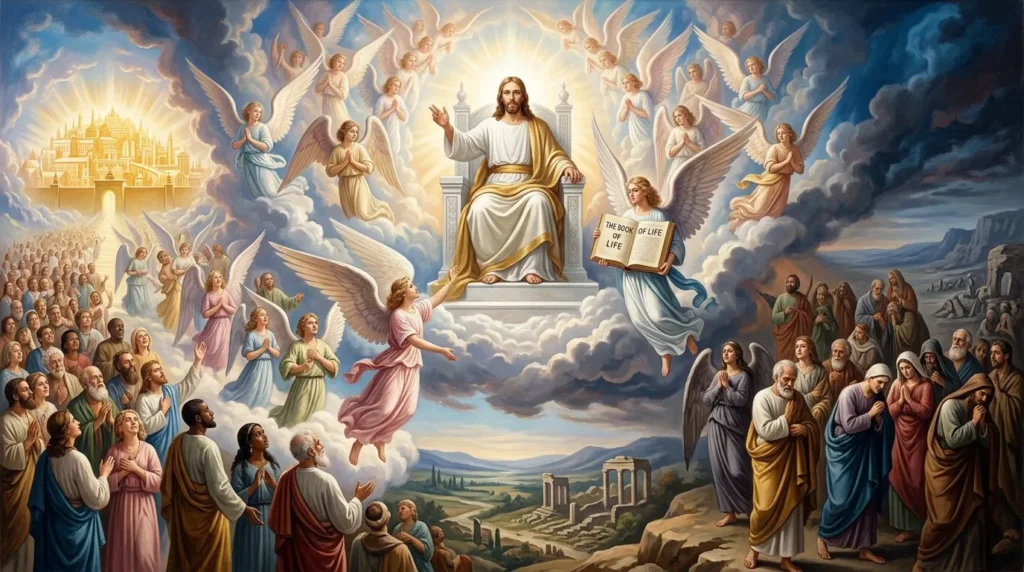
The Last Judgment refers to God’s final judgment at the end of the age. The Bible teaches that God will judge humanity and reveal His righteous judgment.
Jesus spoke about this future event several times. In Matthew 25:31–46, He described the Son of Man coming in glory and separating people as a shepherd separates sheep from goats. The passage presents a picture of final accountability before Christ.
The apostle Paul also taught that God has appointed a day when He will judge the world through Jesus Christ (Acts 17:30–31). This means that judgment is not simply an idea about human consequences. It is part of the Bible’s larger teaching about God’s plan for creation.
The Last Judgment shows three important truths:
- God is perfectly just.
- Human beings are accountable to God.
- God will ultimately defeat evil and establish righteousness.
For Christians, this truth should lead not only to fear of sin but also to deeper trust in God’s character.
Last Judgment Meaning in the Bible Through Scripture
The Bible presents final judgment across both the Old and New Testaments.
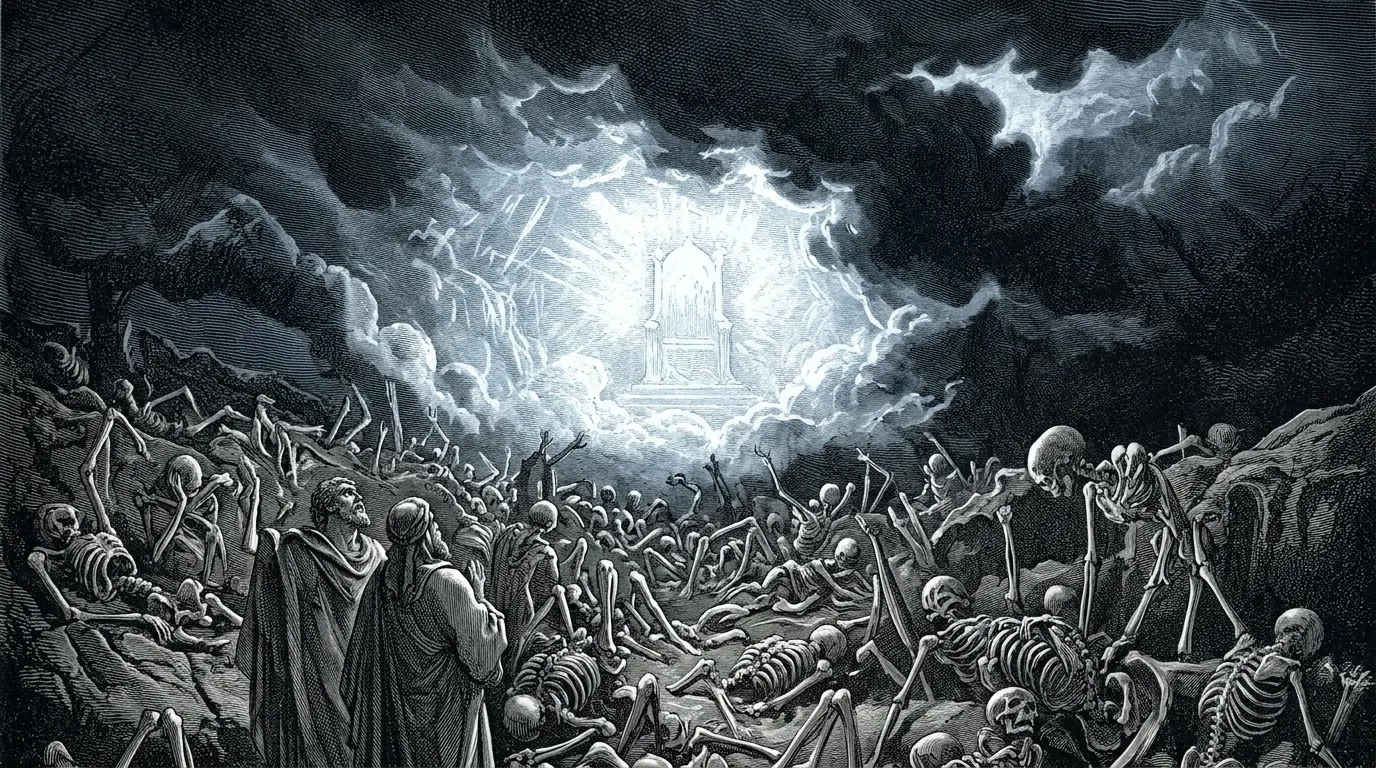
Daniel 7:9–10 gives a powerful vision of God’s heavenly court. Daniel sees the Ancient of Days seated in judgment, with books opened before Him. The scene emphasizes God’s holiness, authority, and perfect knowledge.
In the New Testament, Jesus gives further teaching about judgment. John 5:22 says that the Father has entrusted judgment to the Son. A few verses later, John 5:28–29 speaks of a future resurrection in which people will come forth and face the consequences of their lives.
Revelation 20:11–15 gives another picture of final judgment. John sees a great white throne, and the dead are judged according to what is written in the books. The passage also speaks of the book of life.
These passages should be read together rather than in isolation. They show that the final judgment belongs to God and is connected with resurrection, accountability, justice, and eternal destiny.
What Does Jesus Teach About the Final Judgment?
Jesus did not hide the reality of judgment. At the same time, His teaching consistently called people toward repentance, faith, mercy, and readiness.
In Matthew 24:42–44, Jesus tells His followers to stay awake and be ready because they do not know the hour of His coming. His point is not to encourage people to calculate dates. Instead, He calls believers to live faithfully.
In Matthew 25, Jesus gives several teachings about readiness. The parable of the ten virgins emphasizes being prepared, while the parable of the talents teaches faithful stewardship.
Then Jesus describes the judgment of the nations. The passage highlights acts of mercy toward people in need.
This does not mean that Christians earn salvation simply by doing good works. Rather, Scripture consistently connects genuine faith with a changed life. James 2:17 teaches that faith without works is dead, while Ephesians 2:8–10 teaches that salvation is by grace through faith and that believers are created for good works.
Good works are not a replacement for God’s grace; they are a fruit of a living faith.
The Last Judgment and Jesus Christ
One of the most important biblical truths about the Last Judgment is the role of Jesus Christ.
Acts 10:42 says that Jesus was appointed by God to judge the living and the dead. Paul makes a similar point in 2 Corinthians 5:10, explaining that everyone will appear before the judgment seat of Christ.
For Christians, this should put judgment in the larger story of the gospel.
Jesus is not only presented in Scripture as Judge. He is also presented as Savior and Redeemer.
John 3:16–18 explains God’s love in sending His Son and teaches that the purpose of Christ’s coming was connected with salvation. The following verses explain that people are accountable for how they respond to God’s light.
Therefore, the Christian message is not simply, “One day you will be judged.” It is also, “God has offered redemption through Jesus Christ.”
Last Judgment Meaning in the Bible + Hebrew Meaning
The exact English phrase Last Judgment does not come from one single Hebrew term in the Old Testament. It is a theological expression used to describe the Bible’s teaching about God’s final judgment.
Several Hebrew words help explain the idea.
The Hebrew word mishpat (מִשְׁפָּט) is commonly associated with judgment, justice, or a legal decision. Scripture often uses this concept when describing God’s righteous rule.
Another important Hebrew root is shaphat (שָׁפַט), meaning to judge, govern, or render judgment. It can describe the work of a judge who makes a decision according to justice.
The Old Testament often presents God as the righteous Judge. Abraham asks in Genesis 18:25, “Shall not the Judge of all the earth do right?” The question reflects a central biblical truth: God’s judgment is not corrupt or unfair.
The New Testament was largely written in Greek, so the New Testament language for judgment also matters. The Greek word krisis can refer to judgment or decision, while krinō can mean to judge, decide, or distinguish.
These biblical words help us understand that judgment is more than punishment. It involves God’s righteous decision and His response to good and evil.
Why Does God Judge the World?
At first, judgment can seem difficult to understand. Why would a loving God judge people?
The Bible holds God’s love and justice together.
Psalm 89:14 says that righteousness and justice are the foundation of God’s throne. God does not ignore evil simply because He is loving.
Imagine a world where cruelty, violence, injustice, and oppression never faced accountability. Such a world would not reflect perfect justice.
The Last Judgment assures believers that God sees what human courts may miss. Hidden wrongdoing is not hidden from Him, and acts of faithfulness are not forgotten.
Romans 2:6 says that God “will render to every man according to his deeds.” The wider passage teaches about God’s impartial judgment.
This gives Christians reason to trust God when earthly justice feels incomplete.
Is the Last Judgment the Same as the Second Coming?
The Bible connects the Second Coming of Christ with future judgment, but Christians differ on how every prophetic event fits together.
Jesus teaches that the Son of Man will come in glory in Matthew 25:31. Other passages, such as 1 Thessalonians 4:16–17, speak about Christ’s coming and the gathering of believers.
Revelation also contains visions of Christ’s victory, resurrection, and judgment.
However, Christians have different views about the exact order and timing of these events. Some traditions understand certain passages differently from others.
Because of this, it is wise to focus on what Scripture clearly teaches rather than claiming certainty about details where Christians have honest disagreements.
Christ will return, God will judge righteously, evil will not have the final word, and God’s purposes will be fulfilled.
What Is the Book of Life?
The book of life appears in several important biblical passages.
Daniel 12:1 speaks of a future time of trouble and says that God’s people will be delivered, with those written in the book being preserved.
In Revelation 20:12–15, the book of life appears during the vision of final judgment. Revelation 21:27 later says that those written in the Lamb’s book of life enter the holy city.
The imagery communicates belonging to God and the reality of eternal life.
Revelation 3:5 also connects the book of life with Christ’s promise to those who overcome.
Rather than encouraging speculation about how the book works, Christians can take comfort in the Bible’s central message: eternal life is found in Christ.
What Does the Bible Say About Heaven and Hell After Judgment?
The Bible teaches both eternal life and final punishment.
Jesus speaks about eternal life and eternal punishment in Matthew 25:46. Revelation 20:14–15 describes the lake of fire and calls it the second death.
At the same time, Revelation 21–22 gives a beautiful picture of God’s renewed creation. God dwells with His people, death is no more, and sorrow and pain are removed.
These passages show that the biblical story does not end with judgment alone.
It moves toward God’s restoration and the hope of dwelling with Him.
Christian traditions differ on some questions about the precise nature of final punishment, but the seriousness of judgment and the promise of eternal life are both clearly present in Scripture.
What Does the Last Judgment Symbolize Spiritually?
The Last Judgment has several spiritual lessons for believers.
God’s justice is greater than human justice
People may judge unfairly. They may misunderstand your motives or fail to see what happened.
God does not make mistakes.
The Last Judgment reminds Christians that God knows the truth completely.
Evil will not win
Sometimes the world can appear deeply broken. Violence, dishonesty, injustice, and suffering can make people wonder whether righteousness matters.
Biblical judgment answers with hope: evil has an end.
God’s justice will ultimately prevail.
Our choices matter
The Bible does not teach that our daily actions are meaningless.
Jesus calls His followers to love others, forgive, serve, tell the truth, care for the vulnerable, and remain faithful.
Knowing that God sees our lives should inspire faithful living rather than anxiety.
Grace should lead to repentance
The message of judgment can help us recognize areas where we need God’s forgiveness.
First John 1:9 teaches that when believers confess their sins, God is faithful and just to forgive and cleanse them.
Conviction can become an invitation to return to God.
What Does It Mean to Dream About the Last Judgment?
Some people dream about judgment, heaven, hell, Jesus returning, a courtroom, or standing before God. Such dreams can feel very real and emotional.
However, the Bible does not teach that every dream about judgment is a direct prophecy or message from God.
Scripture contains dreams that God used in particular circumstances, such as Joseph’s dreams in Genesis 37 and Daniel’s visions. But the Bible also warns people to distinguish truth from false spiritual claims.
Therefore, a dream should always be tested against Scripture.
A dream about judgment might reflect:
- Fear about the future
- Guilt over something you have done
- A desire to make a fresh start
- Anxiety about accountability
- A recent sermon or Bible study
- Personal spiritual reflection
- Stress or emotional concerns
Instead of immediately assuming a dream predicts an event, ask what it may be revealing about your heart.
A wise response is to pray, read Scripture, and seek mature Christian counsel when needed.
Common Last Judgment Dreams and Possible Meanings
Dreaming that you are standing before God
This may bring a strong sense of accountability. Spiritually, it can encourage you to examine your relationship with God.
It does not automatically mean that God has revealed your future through the dream.
Dreaming that Jesus has returned
Such a dream may reflect hope, fear, or thoughts about Christ’s return.
The biblical response is not date-setting. Jesus Himself teaches His followers to remain faithful and watchful.
Dreaming about hell or punishment
These dreams can be frightening. They may reflect anxiety, guilt, fear, or deep spiritual concerns.
Instead of assuming condemnation, use the experience as an opportunity to seek God’s grace and truth.
Romans 8:1 gives Christians an important reminder: “There is therefore now no condemnation to them which are in Christ Jesus.”
Dreaming about a courtroom or judgment
A courtroom may symbolize feelings about justice, responsibility, or a difficult decision.
Again, the symbolism should not be treated as a guaranteed divine interpretation. Scripture remains the standard for testing spiritual conclusions.
How Should Christians Prepare for the Last Judgment?
The Bible’s answer is not to panic.
Christians are called to trust Christ, repent of sin, grow in faith, and live faithfully.
Jesus’ teaching in Matthew 24–25 repeatedly points toward readiness. Paul also encourages believers to live in a way that honors Christ.
Practical ways to live faithfully include:
- Pray regularly and honestly.
- Read and obey Scripture.
- Confess sin instead of hiding it.
- Trust God’s grace.
- Forgive others.
- Help people who are suffering.
- Practice honesty and humility.
- Share the hope of the gospel with love.
- Stay faithful when life is difficult.
You do not prepare for God’s judgment by becoming perfect through your own strength.
You prepare by walking with God and trusting His grace.
Does the Last Judgment Mean Christians Should Be Afraid?
A healthy reverence for God is biblical, but constant terror is not the goal of the gospel.
First John 4:18 says that perfect love casts out fear, especially fear connected with punishment. For those who trust Christ, God’s love provides confidence.
Romans 5:1 teaches that those who have been justified by faith have peace with God through Jesus Christ.
This does not mean Christians should treat sin lightly. It means believers can face God with humility and hope rather than despair.
The cross is essential here.
Jesus died for sinners, and the gospel announces forgiveness and reconciliation with God. The reality of final judgment makes God’s offer of grace even more precious.
What Can the Last Judgment Teach Us About Daily Life?
The doctrine of final judgment has practical value.
Suppose someone at work treats you unfairly. You may feel tempted to get revenge. Remembering God’s justice can help you choose a better path.
Suppose nobody notices that you helped someone in need. The Bible reminds you that God sees what others do not see.
Suppose you have failed badly and feel ashamed. The gospel reminds you that repentance and forgiveness are available through Christ.
Suppose you are worried about the future. Jesus’ teaching can move your attention away from endless prediction and toward faithful living today.
The Last Judgment calls us to live today in light of eternity.
What Is the Main Message of the Last Judgment?
The central message is simple:
God will judge the world with perfect justice, Jesus Christ is central to that judgment, evil will ultimately be defeated, and eternal life is found in Him.
The Last Judgment is therefore not merely a frightening Bible topic.
It tells us that:
- God sees everything.
- God cares about justice.
- Sin has real consequences.
- Human life has eternal significance.
- Jesus offers salvation.
- Evil will not continue forever.
- God’s people have a lasting hope.
These truths should shape how Christians think, speak, work, forgive, serve, and worship.
Frequently Asked Questions
What is the Last Judgment in simple terms?
The Last Judgment is the future event when God judges humanity with perfect justice. Scripture teaches that Jesus Christ has authority to judge and that people will ultimately face accountability before God.
When will the Last Judgment happen?
The Bible does not give people a date for the Last Judgment. Jesus teaches that the exact timing is not something His followers should try to predict (Matthew 24:36).
Will everyone be judged?
Scripture teaches universal accountability before God. Second Corinthians 5:10 says that all must appear before the judgment seat of Christ.
Can Christians be saved from final judgment?
The New Testament teaches salvation through faith in Jesus Christ. Romans 8:1 gives believers assurance that there is no condemnation for those who are in Christ Jesus.
Does the Bible say Jesus will be the Judge?
Yes. John 5:22 says the Father has given judgment to the Son, and Acts 10:42 identifies Jesus as the One appointed to judge the living and the dead.
Should Christians fear the Last Judgment?
Christians should take God’s holiness and judgment seriously, but the gospel gives believers hope. Those who trust Christ can rest in God’s grace rather than living in constant fear.
Does dreaming about the Last Judgment mean it will happen soon?
No. The Bible does not teach that every dream about judgment predicts a coming event. Dreams should be tested against Scripture rather than treated automatically as prophecy.
How can I prepare spiritually?
Trust Christ, repent of sin, pray, study Scripture, love others, practice mercy, and remain faithful. Christian readiness is about living faithfully with God, not trying to predict the date of judgment.
Final Thoughts
The Last Judgment meaning in the Bible is both serious and hopeful. Scripture teaches that God will judge with perfect justice, that Jesus Christ will have authority in the final judgment, and that evil will ultimately be defeated.
But the story does not end with fear.
It points us toward the character of a God who is holy, just, merciful, loving, and faithful. Through Jesus Christ, God offers forgiveness and reconciliation.
If the thought of judgment makes you afraid, bring that fear to God in prayer. If it makes you aware of sin, respond with repentance. If it makes you wonder about the future, return to Scripture.
You do not need to know every detail of God’s timetable.
You can trust the God who holds the future.
Let the truth of final judgment encourage you to live with integrity, love people generously, seek God’s wisdom, and hold firmly to your faith. The Judge of all the earth is also the God who calls His people to Himself with grace.
Pray for a faithful heart. Ask God to guide your choices today. And remember that Christian hope is not based on knowing exactly when the end will come—it is based on knowing and trusting Jesus Christ.