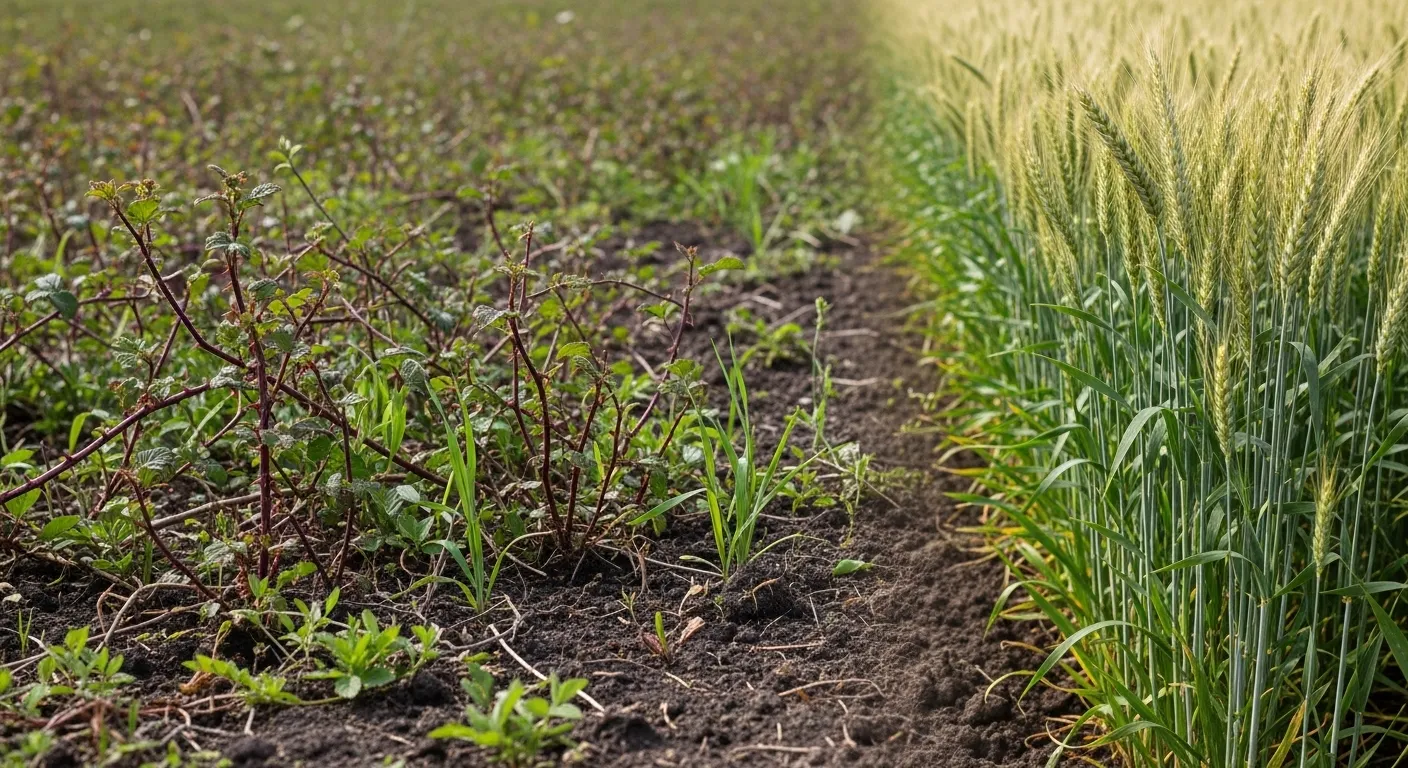
Imagine walking through a field early in the morning. The ground is quiet. A farmer moves slowly, throwing seeds across the soil. Some seeds land on hard ground. Some fall among rocks. Others land where weeds grow. But some fall on good soil and begin to grow.
This simple picture may seem ordinary. Yet, it carries one of the most powerful messages in the Bible.
The Parable of the Sower meaning in the Bible is more than a story about farming. It is a message about the human heart, faith, and how people respond to God’s Word.
Many people wonder about this parable because they feel stuck in life, distant from faith, or hungry for spiritual growth. Others may see farming, seeds, or fields in dreams and ask, “What could this mean spiritually?”
The good news is that this parable gives hope.
It reminds us that God still plants seeds of love, truth, and grace in our lives every day.
So what exactly does this parable mean in the Bible? And what spiritual message does it hold for your faith journey?
Let’s explore.
Biblical Meaning of Parable of the Sower Meaning in the Bible
The Parable of the Sower appears in Matthew 13:3-9, Mark 4:3-9, and Luke 8:5-8.
Jesus told the story of a farmer spreading seed across different kinds of ground. Later, He explained that the seed represents God’s Word, and the soil represents the condition of human hearts.
The Seed on the Path
Jesus explained:
“When anyone hears the message about the kingdom and does not understand it, the evil one comes and snatches away what was sown.” (Matthew 13:19)
The hard path represents hearts that are closed.
Sometimes people hear God’s truth but ignore it.
Sometimes pain, fear, or distractions make spiritual growth difficult.
This part of the story serves as a warning.
A closed heart cannot easily receive God’s message.
The Seed on Rocky Ground
These seeds grow quickly but die because they have shallow roots.
This represents people who receive faith with excitement but struggle when hard times come.
Life brings challenges.
Faith without deep roots may weaken during difficult seasons.
The message here is simple:
Spiritual growth takes time.
The Seed Among Thorns
Jesus said thorns represent worries, wealth, and distractions.
Many believers love God but become overwhelmed by daily stress.
Work, money, fear, and endless problems can slowly push faith aside.
This soil reminds us that spiritual growth requires attention.
Even healthy plants struggle when weeds take over.
The Seed on Good Soil
This is the hopeful part.
Jesus said good soil represents people who hear God’s Word, understand it, and allow it to grow.
The result?
Fruit.
Growth.
Transformation.
This teaches an important truth:
God’s Word can change lives when hearts stay open.
What Is the Main Christian Meaning?
The central Christian meaning of this parable is not simply about hearing God’s Word.
It is about responding to it.
The story asks an important question:
What kind of soil is your heart today?
Some days faith feels strong.
Other days life feels full of rocks and weeds.
Yet God continues planting seeds.
That is part of the hope.
Bible Verses About the Parable’s Message
Some important Bible verses connected to this message include:
Matthew 13:23
“The seed falling on good soil refers to someone who hears the word and understands it.”
James 1:22
“Do not merely listen to the word, and so deceive yourselves. Do what it says.”
Isaiah 55:11
“My word… will not return to me empty.”
These verses remind believers that God’s Word carries power.
Even small seeds can produce great change.
Spiritual Significance and Symbolism
The spiritual symbolism of the Parable of the Sower reaches far beyond farming.
The seed represents:
- God’s truth
- Faith
- Divine message
- Spiritual awakening
- Hope
The soil represents your spiritual condition.
Sometimes people feel spiritually dry.
Sometimes they feel ready for growth.
This parable teaches that spiritual life changes over time.
A person with rocky soil today may become good soil tomorrow.
That is why the message feels comforting.
God does not stop planting.
Everyday Examples
You pray but feel distracted.
That may feel like thorny soil.
You start reading Scripture but quit after difficulties.
That may feel like rocky ground.
You hear God’s message and slowly grow stronger.
That may be good soil.
The parable invites believers to keep growing rather than giving up.
Transformation is often slow, but God still works.
Biblical Interpretations in Dreams or Real Life
Some people dream about seeds, farms, planting, or fields and wonder about their dream interpretation.
While dreams should be approached carefully, many Christians see seed symbolism as connected to growth and faith.
Seeing Healthy Fields or Growing Seeds
This may symbolize:
- Spiritual growth
- New beginnings
- God working quietly
- Increasing faith
Seeing Dry Ground or Dead Plants
This could reflect:
- Spiritual struggles
- Emotional exhaustion
- Need for prayer and renewal
Seeing Weeds or Thorns
This may symbolize:
- Stress
- Worry
- Distractions affecting faith
Real-Life Meaning
Sometimes the parable appears through everyday experiences.
You hear a sermon repeatedly.
A Bible verse keeps appearing.
You feel called to change something.
Many believers see these moments as reminders to examine the condition of their hearts.
Prayer and reflection can help bring clarity.
Practical Lessons & Faith Insights
The Parable of the Sower teaches simple but powerful lessons:
- Protect your faith from distractions
- Stay rooted during difficult seasons
- Spend time in prayer and Scripture
- Trust that God is still working even when growth feels slow
- Keep your heart open to God’s guidance
Small seeds often create the biggest changes.
Conclusion
The Parable of the Sower meaning in the Bible is ultimately a message about the heart.
God continues planting seeds of truth, love, and hope.
Sometimes growth feels slow.
Sometimes life feels full of rocks or weeds.
Yet the message remains the same:
God has not stopped planting.
Keep praying.
Keep growing.
And trust that the seeds God places in your life can still produce something beautiful.