Have you ever gone through a season of pain and wished for healing? Maybe it was a physical sickness, a broken heart, or a difficult situation that seemed impossible to fix. During those moments, many people turn to God and seek comfort in His Word.
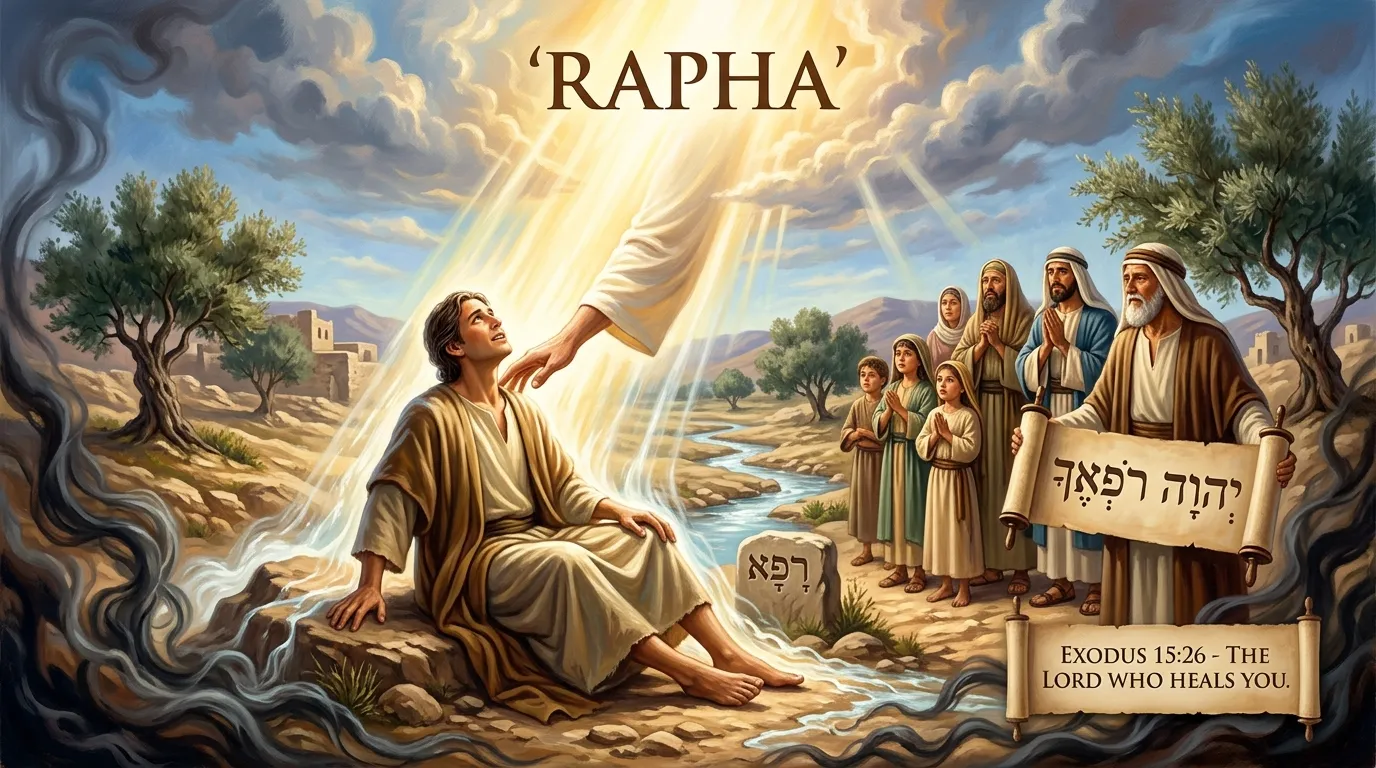
One powerful Bible word connected to healing is Rapha. You may have heard it in the name Jehovah Rapha, which means “The Lord Who Heals.” This beautiful name reveals an important part of God’s character. It reminds believers that God cares about their pain and has the power to restore what is broken.
When people discover the Rapha meaning in Bible, they often feel encouraged and hopeful. The word points to God’s love, mercy, and desire to bring healing into the lives of His people. It is more than physical healing. It can also refer to emotional, spiritual, and relational restoration.
Many Christians see Rapha as a symbol of God’s presence during difficult times. Whether someone is facing illness, grief, fear, or uncertainty, this biblical meaning offers reassurance that God is near.
So, what exactly does Rapha mean in Scripture? And what spiritual message does it hold for believers today? Let’s explore its biblical meaning, symbolism, and importance in faith.
Biblical Meaning of Rapha
The Rapha meaning in Bible comes from the Hebrew word “rapha”, which means to heal, restore, cure, or make whole. It appears throughout the Old Testament and is often connected to God’s healing power.
One of the most famous uses of Rapha is found in Exodus 15:26:
“For I am the Lord who heals you.”
In this verse, God reveals Himself as Jehovah Rapha. He speaks to the Israelites after rescuing them from Egypt and promises His care and healing if they remain faithful to Him.
Rapha as God’s Name
Names in the Bible often reveal God’s nature. When God calls Himself Jehovah Rapha, He is showing that healing is part of who He is.
This healing can include:
- Physical healing from sickness
- Emotional healing from hurt and grief
- Spiritual healing from sin
- Restoration of broken relationships
- Renewal of hope and strength
The Bible repeatedly shows God restoring people who trust Him. Rapha reminds believers that no wound is too deep for God’s healing touch.
Healing Beyond the Physical
Many people think healing only refers to the body. However, Scripture presents a much broader picture.
Psalm 147:3 says:
“He heals the brokenhearted and binds up their wounds.”
This verse shows God’s concern for emotional pain. He understands sorrow, disappointment, and loss. Through His love, He brings comfort and restoration.
The concept of Rapha also points to spiritual healing. Sin separates people from God, but His mercy restores that relationship. Throughout the Bible, God’s healing work involves bringing people back into fellowship with Him.
A Symbol of Restoration
Rapha is not only about removing pain. It is also about making something whole again.
Think of a damaged object that is carefully repaired. The restoration process takes time, patience, and care. In a similar way, God often works gradually in people’s lives.
He restores:
- Faith after doubt
- Peace after anxiety
- Joy after sadness
- Hope after disappointment
This makes Rapha a powerful symbol of God’s ongoing work in believers.
Warning and Obedience in Scripture
The Bible also connects healing with obedience. In Exodus 15:26, God’s promise came alongside a call to listen and follow Him.
This does not mean every sickness is caused by sin. Rather, it shows that walking closely with God brings spiritual health and blessing.
Sometimes Rapha serves as a reminder to examine our hearts, seek God’s guidance, and return to Him when we have wandered away.
Jesus and the Fulfillment of Rapha
Although the word Rapha comes from the Old Testament, many Christians see its ultimate fulfillment in Jesus Christ.
Throughout the Gospels, Jesus healed the sick, restored sight to the blind, and comforted the brokenhearted. His ministry reflected God’s healing nature.
Isaiah 53:5 declares:
“By His wounds we are healed.”
For believers, this verse points to the deepest healing of all—restoration through Christ. Through His sacrifice, people can experience forgiveness, peace, and eternal hope.
Spiritual Significance and Symbolism
The spiritual symbolism of Rapha goes far beyond physical recovery. It represents God’s desire to restore every area of life.
One important lesson is that healing often begins with God’s presence. Sometimes people pray for immediate answers, but God first offers His comfort and peace. Knowing He is near can bring strength even before circumstances change.
Rapha also symbolizes hope during difficult seasons. Life can bring challenges that feel overwhelming. Yet God’s healing nature reminds believers that pain is not always the final chapter.
Another spiritual message is transformation. Healing often changes more than the problem itself. It can strengthen faith, deepen trust, and bring people closer to God.
Consider someone who struggles with fear. Through prayer and God’s guidance, that fear may slowly be replaced with confidence and peace. This is a form of healing too.
Rapha also reflects God’s compassion. He sees every tear, every burden, and every silent prayer. His healing work is personal because His love is personal.
For many Christians, meditating on Jehovah Rapha encourages a stronger prayer life. It becomes a reminder that God cares deeply about every part of their journey.
Biblical Interpretations in Dreams or Real Life
When people encounter the idea of Rapha in dreams, prayers, or daily life, they often view it as a spiritual message of healing and restoration.
A peaceful dream involving healing, light, clean water, or recovery may symbolize God’s comfort and renewal. Such dreams can encourage believers to trust Him during difficult times.
If a dream involves sickness followed by recovery, some Christians interpret it as a sign of hope, growth, or spiritual restoration. It may suggest that God is working behind the scenes even when progress is not yet visible.
On the other hand, a troubling dream involving pain or weakness may serve as a reminder to seek God’s help through prayer and faith.
In real life, many believers connect Rapha with moments of unexpected peace, answered prayers, or personal transformation. These experiences can strengthen confidence in God’s healing presence.
While dream interpretation should always be approached carefully, Christians are encouraged to compare any message with Scripture and seek God’s wisdom through prayer.
Practical Lessons & Faith Insights
The message of Rapha offers simple but powerful faith lessons:
- Trust God during seasons of healing.
- Pray honestly about your pain and struggles.
- Remember that healing may be physical, emotional, or spiritual.
- Stay close to God through His Word and prayer.
- Hold on to hope even when answers seem delayed.
God’s restoration often works in ways we cannot immediately see.
Conclusion
The Rapha meaning in Bible reveals God’s loving nature as the One who heals, restores, and makes whole. From Jehovah Rapha in Exodus to the healing ministry of Jesus, Scripture shows a God who cares deeply for His people.
Whether you are seeking physical healing, emotional peace, or spiritual renewal, Rapha reminds you that God is present in every struggle. His healing power brings hope, comfort, and transformation.
As you continue your faith journey, take heart in this beautiful truth: the God who healed in the Bible is still able to bring healing, restoration, and hope today. Trust Him, pray faithfully, and rest in His loving care.