Have you ever walked through a field after a storm and noticed that only a few strong plants were still standing? Everything else seemed gone, yet those few remained. They survived the wind, the rain, and the hardship.
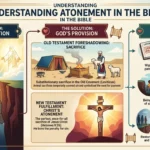
This picture helps us understand the remnant meaning in the Bible.
Throughout Scripture, God often speaks about a remnant—a small group of people who remain faithful to Him even when many others turn away. The idea of a remnant is filled with hope, faith, and God’s promise to preserve His people during difficult times.
Many Christians wonder why the Bible talks about a remnant and what it means for their lives today. Is it a warning? A promise? Or a spiritual message about staying faithful?
The answer is both comforting and powerful. The remnant represents God’s ongoing love, protection, and plan. Even in times of trouble, He never abandons those who trust Him.
As we explore the remnant meaning in the Bible, we will discover how this biblical symbolism points to faith, endurance, and the certainty that God always keeps His promises.
Biblical Meaning of Remnant in the Bible
The word remnant simply means “what is left” or “those who remain.” In the Bible, it usually refers to a group of people who stay faithful to God despite hardship, judgment, or spiritual decline.
God’s Faithful People
One of the clearest examples appears in the Old Testament. When the nation of Israel drifted away from God, He still preserved a faithful group who continued to trust Him.
In Isaiah 10:20-21, the prophet speaks of a remnant that will return to the Lord. This shows that even when many people fall away, God keeps a faithful people for Himself.
The remnant is not chosen because they are perfect. Instead, they remain because they trust God’s mercy and continue to seek Him.
A Sign of God’s Mercy
The biblical symbolism of a remnant often points to God’s compassion.
After times of judgment, God repeatedly promised that a remnant would survive and be restored. This message appears throughout books such as Isaiah, Jeremiah, Ezekiel, and Micah.
For example, Micah 2:12 speaks of God gathering His remnant like a shepherd gathers sheep. This beautiful image shows God’s care and protection.
The remnant reminds believers that God’s judgment is never the end of the story. His mercy always leaves room for restoration.
The Remnant in the Time of Elijah
Another powerful example is found in the life of the prophet Elijah.
Elijah believed he was the only faithful servant left in Israel. Yet God told him that He had preserved seven thousand people who had not abandoned Him.
This story, found in 1 Kings 19:18, reveals an important truth: even when faith seems rare, God always has a remnant.
Sometimes believers may feel alone in their faith. The remnant message reminds them that God is still working in ways they cannot see.
The Remnant in the New Testament
The idea of a remnant continues into the New Testament.
In Romans 11:5, the Apostle Paul the Apostle explains that there is a remnant chosen by God’s grace. He teaches that God has not rejected His people and continues to preserve those who trust Him.
This shows that the remnant is not just an Old Testament idea. It remains part of God’s plan throughout history.
A Warning and a Promise
The remnant meaning in the Bible carries both encouragement and warning.
The warning is clear: people should not drift away from God or ignore His truth.
The promise is even greater: God remains faithful to those who remain faithful to Him.
The remnant teaches believers to trust God during difficult seasons, knowing that He sees, protects, and strengthens those who seek Him.
Spiritual Significance and Symbolism
The spiritual symbolism of a remnant goes beyond a group of people. It also reflects a personal journey of faith.
Life often brings challenges, disappointments, and seasons of waiting. During those moments, a believer may feel worn down or overlooked.
Yet God often does His deepest work through what remains.
A remnant symbolizes:
- Faith during hardship
- Hope in difficult seasons
- Trust in God’s promises
- Spiritual perseverance
- Divine protection and guidance
Imagine a person who continues praying even when answers seem delayed. Or someone who keeps trusting God after experiencing loss. In many ways, that person reflects the heart of a remnant.
The concept also points to spiritual awakening. God can use a small group—or even one faithful believer—to bring renewal and transformation.
Throughout Scripture, God often starts great works through what appears small. The remnant reminds Christians that God values faithfulness more than numbers.
This spiritual message encourages believers to stay close to God through prayer, worship, and obedience, even when the path feels difficult.
Biblical Interpretations in Dreams or Real Life
In dream interpretation, a remnant may appear in different forms.
Someone might dream of a small group of people remaining after a crowd leaves. Others may see leftover food, surviving plants, a few standing buildings, or something preserved after a storm.
From a Christian meaning perspective, these dreams can symbolize:
- God’s protection during a difficult season
- Remaining faithful despite challenges
- Spiritual endurance
- Hope after loss
- A call to trust God’s plan
A peaceful dream involving a remnant may point to God’s reassurance that He is preserving something important in your life.
A more fearful dream may reflect concerns about loss, change, or uncertainty. In these cases, prayer and reflection can help reveal the deeper spiritual message.
In real life, believers may experience seasons when they feel different from those around them because of their faith. The remnant theme reminds them that following God sometimes means standing firm even when others choose another path.
The key is to seek God’s guidance through Scripture, prayer, and faith rather than relying solely on dream symbols.
Practical Lessons & Faith Insights
The remnant teaches several simple but powerful lessons:
- Stay faithful even during hard times.
- Trust God’s promises when circumstances seem uncertain.
- Remember that God sees your faithfulness.
- Continue praying and seeking His guidance.
- Believe that God can bring hope and restoration from difficult situations.
Even when you feel alone, God is still at work.
Conclusion
The remnant meaning in the Bible is a beautiful reminder that God never forgets His people. Throughout Scripture, the remnant represents faithful believers who continue trusting Him through every season.
This biblical symbolism speaks of hope, protection, perseverance, and God’s unfailing love. Whether seen in Bible verses, dream interpretation, or everyday life, the remnant points to God’s promise to preserve and guide those who seek Him.
No matter what challenges you face, remember that God is faithful. Stay close to Him in prayer, trust His timing, and take comfort in knowing that His presence is always with those who remain faithful to Him.