Imagine a child running toward a busy road. A loving parent sees the danger and quickly shouts, “Stop!” The parent’s strong reaction is not because of hate. It comes from love and a desire to protect.
In a similar way, many people wonder about wrath meaning in the Bible. When they read about God’s wrath, it can sound frightening. Some may even ask, “Why would a loving God show wrath?” Others may encounter the word while reading Scripture, praying, or even after a dream and wonder what spiritual message it carries.
The Bible often speaks about wrath, but not in the way human anger is usually understood. Human anger can be selfish, harsh, or out of control. God’s wrath is different. It is connected to His holiness, justice, and love for what is right.
Understanding biblical wrath helps us see God’s heart more clearly. It reveals both His hatred of sin and His desire to save people through His mercy and grace.
So, what does wrath mean in the Bible, and what spiritual lessons can Christians learn from it? Let’s explore its deeper meaning through Scripture and faith.
Biblical Meaning of Wrath in the Bible
The wrath meaning in the Bible refers to God’s righteous response to sin, evil, and rebellion. It is not a loss of control or an emotional outburst. Instead, it is God’s holy reaction against anything that opposes His goodness and truth.
Wrath Reveals God’s Justice
One of the main themes in Scripture is that God is perfectly just. He cannot ignore sin forever.
Romans 1:18 says:
“For the wrath of God is revealed from heaven against all ungodliness and unrighteousness of men.”
This verse shows that God’s wrath is directed toward sin and evil actions. His wrath exists because He loves righteousness and desires justice.
Without justice, there would be no protection for the innocent and no accountability for wrongdoing.
Wrath Is Not Opposite to Love
Many people think wrath and love cannot exist together. The Bible teaches otherwise.
God’s wrath comes from His holy nature. Because He loves what is good, He opposes what destroys people spiritually.
A loving parent disciplines a child to guide them toward safety. In the same way, God’s wrath reflects His concern for humanity.
John 3:36 teaches:
“Whoever believes in the Son has eternal life; whoever does not obey the Son shall not see life, but the wrath of God remains on him.”
This verse also points to God’s solution. Through Jesus Christ, people can receive forgiveness and escape judgment.
Wrath as a Warning
Throughout the Bible, God’s wrath often serves as a warning before judgment comes.
For example:
- God warned the world before the flood.
- God warned the people of Nineveh through the prophet Jonah.
- God repeatedly warned Israel through His prophets.
These examples reveal an important truth: God desires repentance more than punishment.
Ezekiel 33:11 says:
“I take no pleasure in the death of the wicked, but rather that they turn from their ways and live.”
This shows God’s compassionate heart. Even when warning about judgment, He offers hope and restoration.
Wrath and the Cross
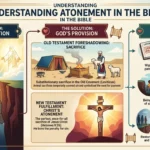
The greatest picture of both justice and mercy is found at the cross.
Jesus came to take upon Himself the punishment that sin deserved. Through His sacrifice, believers receive forgiveness and peace with God.
Romans 5:9 says:
“Since we have now been justified by his blood, how much more shall we be saved from God’s wrath through him!”
This verse highlights a powerful Christian meaning of wrath. God’s justice was satisfied through Christ, allowing sinners to receive mercy.
Positive and Warning Meanings of Wrath
In biblical symbolism, wrath carries both warning and hope.
Warning meanings include:
- A call to turn away from sin.
- A reminder that actions have consequences.
- An invitation to examine one’s heart.
Hopeful meanings include:
- God’s commitment to justice.
- His protection of righteousness.
- His offer of forgiveness through Jesus.
- His desire for spiritual transformation.
Rather than seeing wrath only as punishment, Christians can view it as part of God’s loving plan to lead people back to Him.
Spiritual Significance and Symbolism
The spiritual symbolism of wrath goes beyond judgment. It teaches important lessons about God’s character and our relationship with Him.
A Call to Spiritual Awakening
Sometimes people drift away from God without realizing it. The biblical message of wrath acts like a wake-up call.
It reminds believers to stay close to God through:
- Prayer
- Worship
- Repentance
- Faithful obedience
This can lead to a deeper spiritual awakening and stronger faith.
God’s Holiness Matters
Wrath reminds Christians that God is holy.
His standards are not based on changing opinions or culture. They are rooted in His perfect nature.
Understanding this truth helps believers grow in reverence and respect for God.
Transformation Through Grace
When people understand both God’s justice and mercy, real transformation can happen.
A person who once ignored God may begin seeking Him through prayer.
Someone carrying guilt may discover forgiveness through Christ.
Someone feeling lost may find hope in God’s promises.
This divine message is not meant to create fear alone. It points toward healing, restoration, and spiritual growth.
Biblical Interpretations in Dreams or Real Life
Sometimes people search for dream interpretation because they dream about anger, judgment, fire, storms, or situations that seem connected to wrath.
In Christian understanding, such dreams do not automatically predict punishment. Instead, they may carry a spiritual message encouraging reflection and prayer.
Peaceful vs. Fearful Experiences
If a dream includes correction but also peace, it may symbolize God’s guidance and loving discipline.
If a dream feels intense, frightening, or urgent, it may be a reminder to examine areas of life that need attention.
For example:
- A storm could symbolize inner conflict or spiritual struggle.
- Fire may represent purification or God’s refining work.
- A warning voice could symbolize divine guidance.
In real life, people may also sense conviction after reading Scripture, hearing a sermon, or spending time in prayer.
The best response is not panic but prayer.
Ask God for wisdom, understanding, and direction. The Holy Spirit guides believers into truth and helps them grow closer to Christ.
Remember that God’s goal is always restoration, not destruction, for those who seek Him.
Practical Lessons & Faith Insights
The biblical message of wrath teaches believers to:
- Take sin seriously.
- Trust God’s perfect justice.
- Receive God’s mercy through Jesus.
- Stay faithful in prayer and repentance.
- Seek God’s guidance each day.
When you encounter passages about wrath, remember that they reveal both God’s holiness and His great love for humanity.
Conclusion
The wrath meaning in the Bible is far deeper than simple anger. It reflects God’s holy justice, His opposition to sin, and His desire to lead people toward repentance and salvation.
Through biblical symbolism, Scripture shows that wrath is both a warning and an invitation. It calls people to turn toward God while reminding them of His mercy through Jesus Christ.
Whatever season of life you are in, remember that God’s heart is filled with truth, grace, and hope. Seek Him in prayer, trust His guidance, and rest in the promise that His love is always reaching out to draw you closer.