Have you ever felt embarrassed because of something that happened in your life? Maybe people judged you, spoke harsh words, or made you feel ashamed. Those moments can leave deep wounds. Many people wonder if God sees their pain and if the Bible has anything to say about it.
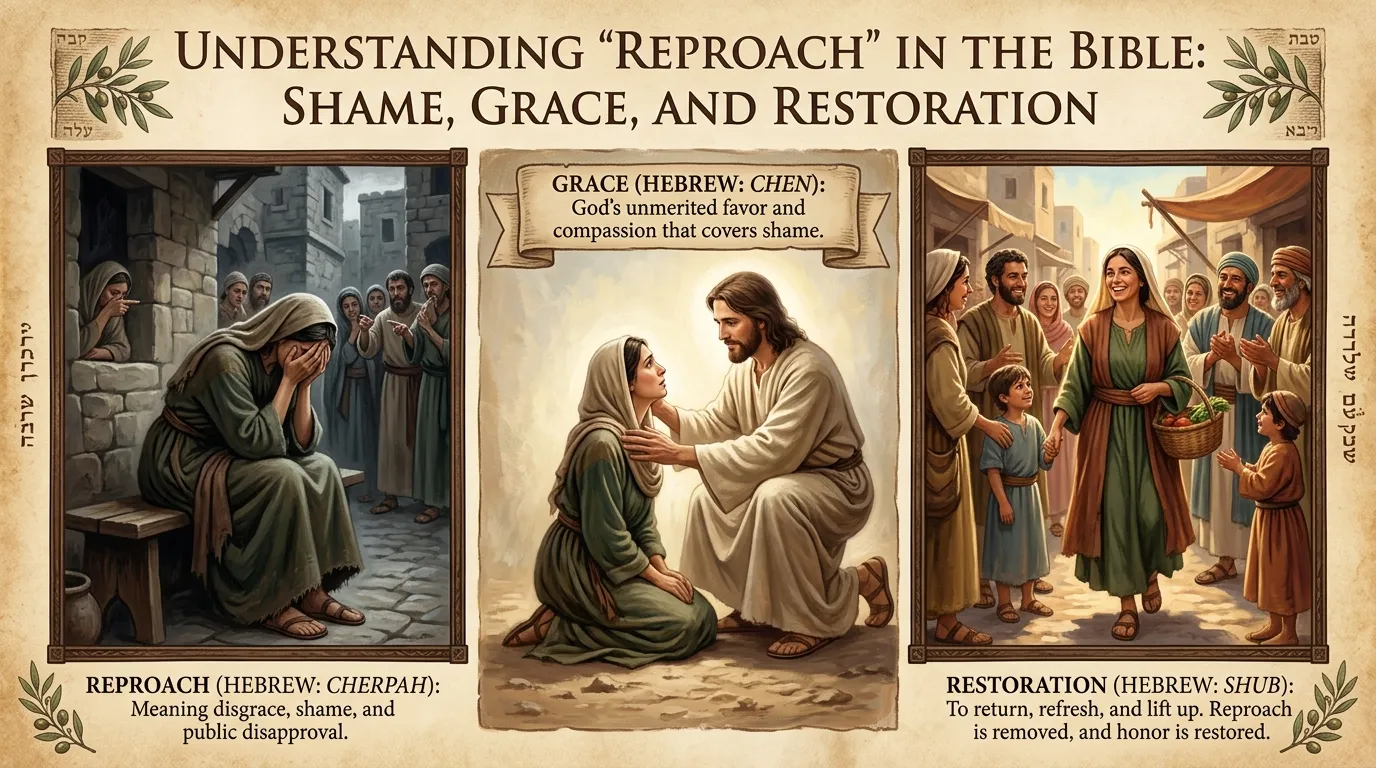
The word reproach appears many times in Scripture. It often describes shame, disgrace, criticism, or the painful words of others. Yet, the Bible also shows that God is close to people who carry reproach. He does not leave them alone. Instead, He brings hope, healing, and restoration.
When reading the Bible, you may notice stories of people who faced rejection, mockery, and humiliation. Even God’s people experienced seasons of reproach. But through faith and prayer, they found strength in the Lord.
So, what is the reproach meaning in the Bible? Is it only about shame, or does it carry a deeper spiritual message?
Let’s explore what Scripture says and discover the hope God offers to those who carry heavy burdens.
Biblical Meaning of Reproach in the Bible
What Does Reproach Mean?
In the Bible, reproach means shame, disgrace, insult, or criticism. It can come from other people or from the results of sin and difficult situations. Reproach often brings sadness, but God promises not to leave His children in that condition.
The Bible speaks about reproach in both warning and hopeful ways.
God Removes Reproach
One beautiful example is found in Joshua 5:9:
“Today I have rolled away the reproach of Egypt from you.”
This verse shows that God can remove shame and restore His people. Their painful past no longer defined them.
God’s grace is greater than human disgrace.
Reproach Can Come from Others
People in the Bible often suffered insults and rejection. David cried out to God because of the words spoken against him.
Psalm 69:9 says:
“The reproaches of them that reproached thee are fallen upon me.”
David felt hurt, but he brought his pain before God. This teaches believers that they can trust God when others misunderstand or criticize them.
Jesus Bore Reproach for Us
Jesus Himself experienced rejection and shame. People mocked Him, insulted Him, and crucified Him.
Hebrews 13:13 says:
“Let us go forth therefore unto him without the camp, bearing his reproach.”
Christians are reminded that following Jesus may bring criticism from the world. Yet sharing in His reproach also means sharing in His victory and eternal hope.
Reproach as a Warning
Sometimes reproach is connected with sin or turning away from God.
Proverbs 14:34 says:
“Righteousness exalteth a nation: but sin is a reproach to any people.”
This verse teaches that sinful choices can bring shame and sorrow. God calls His people to walk in righteousness and seek His forgiveness.
God’s Compassion in Times of Reproach
Psalm 25:3 gives encouragement:
“Let none that wait on thee be ashamed.”
God sees every hurt and every tear. He is not pleased when His children suffer endlessly. Through faith, prayer, and repentance, He brings hope and renewal.
A Message of Hope
The reproach meaning in the Bible is not only about shame. It also reveals God’s power to restore broken hearts. No matter what people say or what mistakes lie in the past, God’s love offers a fresh beginning.
His mercy can turn sorrow into joy and disgrace into testimony.
Spiritual Significance and Symbolism
Reproach Represents Pain and Growth
From a spiritual symbolism point of view, reproach often represents seasons of testing. During hard times, believers learn to trust God more deeply.
Many people experience rejection, failure, or criticism. These moments can feel lonely. Yet God uses them to strengthen faith and build character.
Reproach Teaches Humility
Sometimes difficult experiences help believers become more humble and compassionate. Instead of relying on themselves, they learn to depend on God’s guidance.
Prayer becomes deeper. Worship becomes more meaningful.
God Brings Transformation
The Christian meaning behind reproach is not hopelessness. It points toward transformation and spiritual awakening.
For example:
- A person who was once ashamed may become a source of encouragement to others.
- Someone rejected by people may discover the presence of God in a deeper way.
- Painful memories can become testimonies of God’s faithfulness.
Even when life feels unfair, God’s divine message remains the same:
He restores what shame tries to destroy.
Biblical Interpretations in Dreams or Real Life
Dream interpretation should always be approached with prayer and wisdom. The Bible teaches believers to seek God rather than fear dreams.
Dreaming About Reproach
If you dream about being insulted or feeling ashamed, it may reflect:
- Emotional pain or fear.
- A need for healing and forgiveness.
- God’s invitation to trust Him more deeply.
Peaceful Dreams
If the dream ends with comfort, forgiveness, or peace, it may symbolize hope and restoration. God may be reminding you that His grace is enough.
Fearful Dreams
Dreams filled with sadness or rejection may point to worries or spiritual struggles. Instead of becoming afraid, believers can pray and ask God for wisdom and peace.
Reproach in Real Life
In daily life, reproach may come through criticism, failures, or misunderstandings. Yet Christians are encouraged to remember Romans 8:1:
“There is therefore now no condemnation to them which are in Christ Jesus.”
God’s love is stronger than the opinions of others.
Practical Lessons and Faith Insights
Here are some simple faith lessons:
- Bring your pain to God in prayer.
- Do not let shame define your identity.
- Forgive others and receive God’s forgiveness.
- Trust God’s timing for restoration.
- Remember that Christ understands suffering and rejection.
Even difficult seasons can lead to greater faith and hope.
Conclusion
The reproach meaning in the Bible goes beyond shame and criticism. It reveals a loving God who sees every wound and offers healing. Throughout Scripture, we see that reproach can become a path toward faith, humility, and spiritual growth.
No matter what burdens you carry, God is able to remove shame and fill your heart with hope. Keep seeking Him in prayer, trust His promises, and remember that His grace is always greater than your past.
With God, reproach is never the end of the story—it is often the beginning of restoration and new hope.