Imagine reading a Bible passage late at night and coming across a mysterious word: Sheol. Or perhaps you dreamed of a dark place beneath the earth and later discovered that the Bible often speaks of a place called Sheol. It may leave you wondering, What does Sheol mean in the Bible? Is it hell? Is it a place of punishment? Or does it carry a deeper spiritual message?
Many people encounter the word Sheol while reading Scripture, studying biblical symbolism, or seeking a dream interpretation. Because the term appears throughout the Old Testament, it has fascinated believers for centuries. At first glance, it can seem frightening. Yet when viewed through the lens of God’s Word, Sheol reveals important truths about life, death, hope, and God’s eternal plan.
The Bible uses Sheol to describe the realm of the dead, a place where people went after physical death before the fuller revelation of eternal life through Jesus Christ. Understanding this concept can help us better grasp God’s message of redemption and hope.
Whether you encountered Sheol in Scripture, in a dream, or during personal reflection, its meaning points us toward deeper spiritual understanding. As we explore the sheol meaning in the Bible, we will discover what God’s Word says, the spiritual symbolism behind it, and the lessons it offers for our faith journey.
Biblical Meaning of Sheol in the Bible
What Is Sheol?
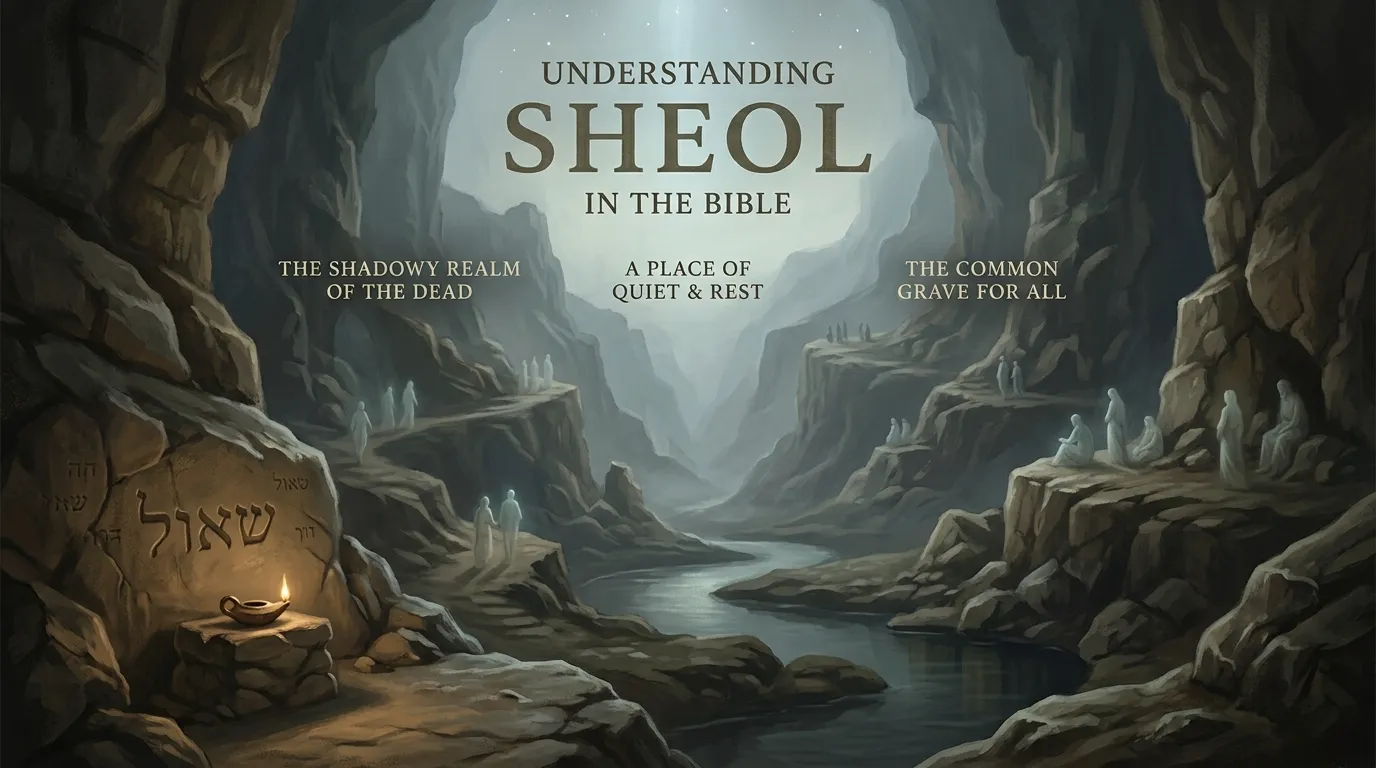
In the Old Testament, Sheol is the Hebrew word commonly used to describe the realm of the dead. It is often portrayed as a place beneath the earth where departed souls reside.
One example appears in Psalm 16:10:
“For thou wilt not leave my soul in hell; neither wilt thou suffer thine Holy One to see corruption.”
In many translations, the word translated as “hell” is actually Sheol. The passage expresses confidence that God will not abandon His faithful servant to the grave.
Sheol as the Place of the Dead
Unlike later concepts of heaven and hell, Sheol in the Old Testament often refers generally to the place where both the righteous and the wicked go after death.
Jacob spoke of going down to Sheol in sorrow when he believed Joseph was dead (Genesis 37:35). Job also referred to Sheol as a place of rest from earthly suffering (Job 14:13).
This shows that Sheol was not always viewed as a place of punishment. Instead, it represented the reality of death and the end of earthly life.
A Reminder of Human Mortality
One important aspect of the biblical symbolism of Sheol is that it reminds people of life’s temporary nature.
The Bible teaches that every person faces death. Sheol serves as a reminder that earthly achievements, wealth, and power do not last forever. This truth encourages believers to place their trust in God rather than in temporary things.
Psalm 89:48 asks:
“What man can live and not see death? Can he deliver his soul from the power of Sheol?”
The answer points to humanity’s need for divine help and salvation.
The Hope Beyond Sheol
Although Sheol is associated with death, the Bible does not leave believers without hope.
Throughout Scripture, God reveals His power over death. The prophet Hosea declared:
“I will ransom them from the power of the grave; I will redeem them from death” (Hosea 13:14).
This promise ultimately finds fulfillment in Jesus Christ. Through His death and resurrection, Christ conquered death and opened the way to eternal life.
For Christians, the meaning of Sheol is no longer centered on fear. Instead, it highlights the greatness of God’s saving plan. Death is not the final destination for those who trust in Him.
Warning and Encouragement
Sheol also carries a warning. Life is precious and should not be wasted. The Bible encourages people to seek God while they have the opportunity.
At the same time, Sheol offers encouragement. God’s love reaches beyond the grave. His promises extend beyond human limitations.
This balance of warning and hope is a key part of the Christian meaning of Sheol. It reminds believers to live faithfully while trusting in God’s eternal care.
Spiritual Significance and Symbolism
A Symbol of Spiritual Reflection
Spiritually, Sheol often symbolizes moments of darkness, waiting, or deep struggle. Many believers experience seasons when they feel distant from joy, direction, or certainty.
These difficult times can resemble a personal “Sheol”—a place where hope seems hidden.
Yet Scripture repeatedly shows that God is present even in life’s darkest valleys. His presence reaches places where human strength cannot.
A Call to Depend on God
The symbolism of Sheol teaches humility. It reminds us that we cannot save ourselves through our own efforts.
When people face grief, loss, disappointment, or uncertainty, they often discover a deeper dependence on God. Through prayer and faith, they learn to trust His guidance even when answers are not immediate.
Transformation Through Faith
Many spiritual journeys include periods of hardship before growth occurs. Just as a seed must be buried before it sprouts, believers often experience challenges before spiritual awakening and transformation.
The spiritual symbolism of Sheol points toward renewal. It reminds Christians that God can bring life out of situations that seem hopeless.
Even in darkness, God’s purposes continue to unfold.
Biblical Interpretations in Dreams or Real Life
Seeing Sheol in a Dream
When Sheol appears in a dream, it does not necessarily predict physical death. Instead, it may symbolize fear, emotional burdens, unresolved grief, or a season of spiritual reflection.
A peaceful dream involving Sheol may suggest surrendering concerns to God and finding rest in His care. It can symbolize trust during uncertain times.
Fearful or Dark Dreams
If the dream feels frightening, it may reflect anxiety, guilt, or worries that need to be brought before God in prayer.
Such dreams can serve as a divine message encouraging spiritual renewal, repentance, or a stronger relationship with God.
Real-Life Experiences
In daily life, thoughts about Sheol may arise during seasons of loss, mourning, or major life changes. These moments often prompt deeper reflection about faith, eternity, and God’s promises.
Instead of creating fear, Christians can use these experiences as opportunities to seek God’s wisdom, comfort, and peace through prayer and Scripture.
Practical Lessons & Faith Insights
The meaning of Sheol teaches several important faith lessons:
- Trust God’s promises even in difficult seasons.
- Remember that earthly life is temporary.
- Seek God’s guidance through prayer and faith.
- Find hope in Christ’s victory over death.
- Allow challenges to strengthen your relationship with God.
Every season of darkness can become a place where God’s light shines more clearly.
Conclusion
The sheol meaning in the Bible points to the realm of the dead, but its message reaches far beyond death itself. It reminds us of human mortality, the need for God’s salvation, and the hope found in His promises.
Through biblical symbolism, Sheol teaches humility, reflection, and trust in God’s eternal plan. Most importantly, it points toward the victory of Jesus Christ, who conquered death and offers everlasting life.
If Sheol has appeared in your Bible study, thoughts, or dream interpretation, let it encourage you to draw closer to God. His love reaches every valley, His presence remains in every season, and His promise of hope never fails.