Have you ever felt rejected, forgotten, or pushed aside by others? Many people carry silent pain from broken relationships, family wounds, or hard life struggles. Yet sometimes, the very people who feel unwanted become part of God’s greater plan. That is exactly what we see in the story of Jephthah in the Bible.
The name Jephthah may not be as well-known as Moses or David, but his story carries a deep and emotional spiritual message. He was a man who faced rejection early in life. His own family pushed him away, and many people looked down on him. But later, God used him to lead and protect Israel during a difficult time.
When people search for the Jephthah meaning in the Bible, they often want to understand more than just a name. They want to know the deeper biblical symbolism, the lessons behind his painful choices, and what his life teaches about faith, promises, and God’s mercy.
Jephthah’s story is filled with courage, sorrow, hope, and warning. It reminds believers that God can work through broken people and difficult seasons. His life also teaches the importance of wisdom, prayer, and trusting God before making serious promises.
So what does Jephthah truly represent in Scripture? And what can Christians learn from his story today? Let’s explore the powerful Christian meaning behind Jephthah and the spiritual lessons hidden within his journey.
Biblical Meaning of Jephthah in the Bible
Jephthah appears in the Book of Judges, mainly in Judges 11 and 12. His name is believed to mean “He opens” or “God will open.” This meaning connects beautifully with his life because God opened a path for Jephthah even after people rejected him.
Jephthah’s Early Rejection
Jephthah was the son of Gilead and a woman described as a prostitute. Because of this, his half-brothers drove him away from the family home.
The Bible says in Judges 11:2:
“You are not going to get any inheritance in our family, because you are the son of another woman.”
This painful rejection shaped Jephthah’s life. Yet his story shows that God does not reject people the way humans do. Even when others saw shame, God saw purpose.
This is an important spiritual symbolism in Jephthah’s story. Many believers today feel forgotten or pushed aside. Jephthah reminds us that God can still use wounded people for His glory.
God Chose Jephthah as a Leader
Later, when Israel faced danger from the Ammonites, the elders asked Jephthah to return and lead them into battle. The same people who once rejected him now needed his help.
This part of the story carries a powerful divine message. Sometimes God lifts up those who were once ignored. He can turn pain into purpose and weakness into strength.
Judges 11:29 says:
“Then the Spirit of the Lord came on Jephthah.”
This verse is important because it shows that Jephthah’s strength came from God, not from human approval.
Jephthah’s Vow and Its Warning
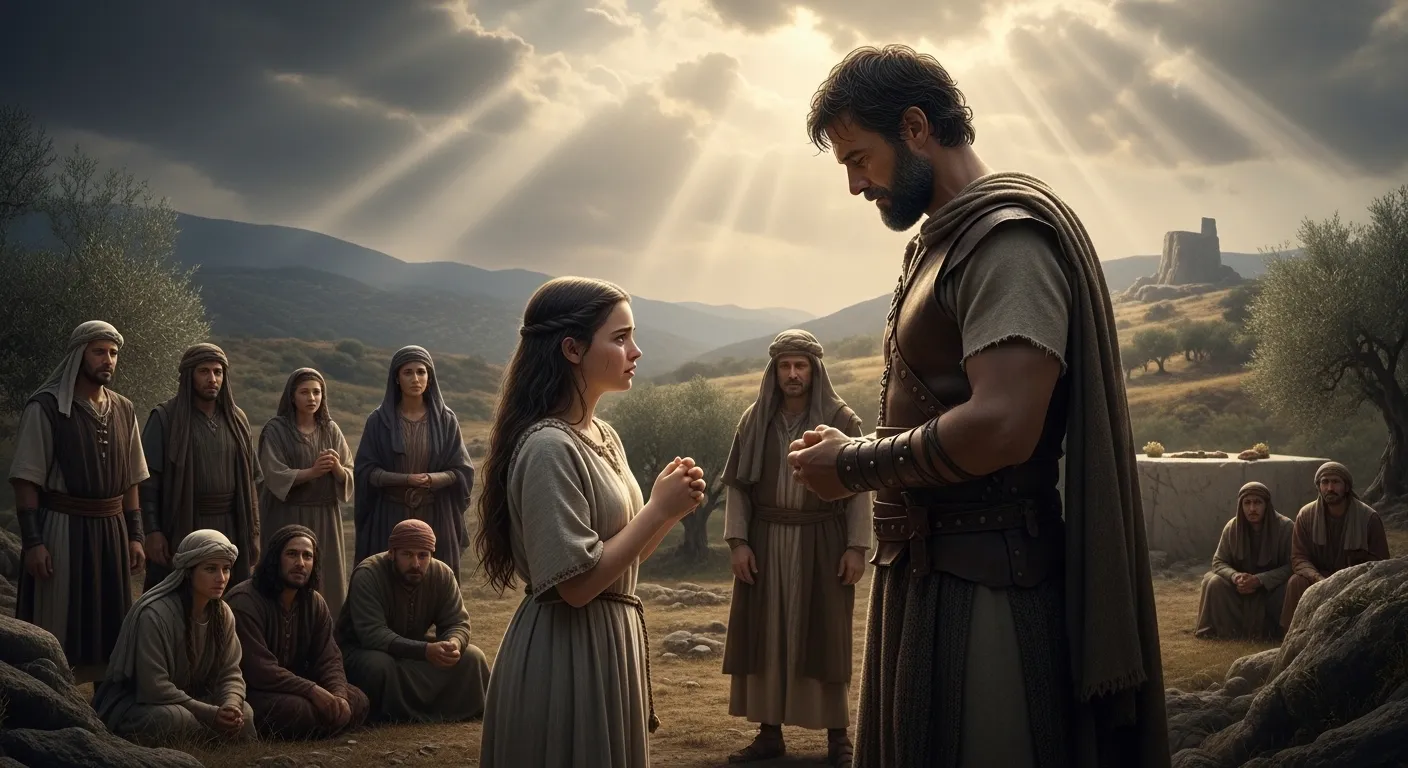
One of the most emotional parts of Jephthah’s story is the vow he made before battle. He promised that if God gave him victory, he would sacrifice whatever came out of his house first when he returned home.
Sadly, his daughter came out first.
This moment has led to many discussions and different dream interpretation and spiritual reflections among Christians. Some see it as a warning about making careless promises. Others focus on the sorrow and seriousness of vows before God.
Ecclesiastes 5:4 gives wisdom about promises:
“When you make a vow to God, do not delay to fulfill it.”
Jephthah’s story reminds believers to pray carefully and seek God’s wisdom before speaking rashly. Faith should come from trust, not fear or emotional pressure.
A Story of Faith Despite Imperfection
Even though Jephthah made mistakes, Hebrews 11:32 includes him among people remembered for faith.
This shows another beautiful Christian meaning in his story: God works through imperfect people. The Bible does not hide human weakness. Instead, it reveals God’s mercy and power through broken lives.
Jephthah’s life teaches believers that faith is not about being perfect. It is about continuing to trust God through hardship, fear, and failure.
Spiritual Significance and Symbolism
The story of Jephthah carries deep spiritual symbolism for Christians today.
Rejection Can Become Purpose
Many people feel rejected at some point in life. It may come from family, friends, work, or society. Jephthah’s journey reminds believers that rejection does not cancel God’s calling.
Sometimes the places where we experience pain become the places where God builds strength and character.
The Importance of Wise Words
Jephthah’s vow teaches the spiritual lesson of careful speech. Words carry power. Promises made during emotional moments can lead to sorrow later.
This encourages Christians to pray first, seek God’s guidance, and trust His timing instead of acting from fear.
Faith During Difficult Seasons
Jephthah lived during a chaotic time in Israel’s history. Yet God still moved through him. This brings hope to believers facing confusion or hardship today.
Even in dark seasons, the presence of God can guide His people.
A person struggling with failure, loneliness, or uncertainty may find comfort in Jephthah’s story. God often works quietly through difficult paths to bring spiritual growth and transformation.
Biblical Interpretations in Dreams or Real Life
Some Christians connect the story of Jephthah to personal dreams or life experiences involving rejection, sacrifice, battles, or difficult promises.
If someone dreams about being abandoned or later chosen for an important task, it may reflect a deeper spiritual awakening. It can symbolize that God still has a purpose for their life despite past wounds.
Dreams connected to promises or sacrifices may also serve as warnings to slow down, pray, and seek wisdom before making major decisions.
A peaceful dream connected to Jephthah may symbolize healing, victory, or restored purpose. A fearful or stressful dream may reflect emotional burdens, regret, or anxiety about responsibility.
However, Christians should always test spiritual meanings with prayer, Scripture, and wise guidance. Not every dream carries a direct message from God. Still, God can use dreams and life experiences to encourage reflection and deeper faith.
The story of Jephthah ultimately points believers back to trust, humility, and dependence on God.
Practical Lessons & Faith Insights
Jephthah’s life teaches believers to trust God even after rejection or failure. His story encourages Christians to pray before making promises and to seek wisdom in difficult moments. It also reminds us that God can use imperfect people for His purpose. Through prayer, faith, and humility, believers can find hope, healing, and guidance during life’s hardest seasons.
Conclusion
The Jephthah meaning in the Bible is deeply connected to faith, rejection, courage, and spiritual growth. His story shows that God can raise up forgotten people and bring purpose out of pain. At the same time, it warns believers to speak carefully and trust God fully.
Through Jephthah’s journey, Christians are reminded that God’s grace works through imperfect lives. No matter how broken the past may seem, the Lord can still lead His people toward hope, healing, and a stronger faith-filled future.